Editor’s Note

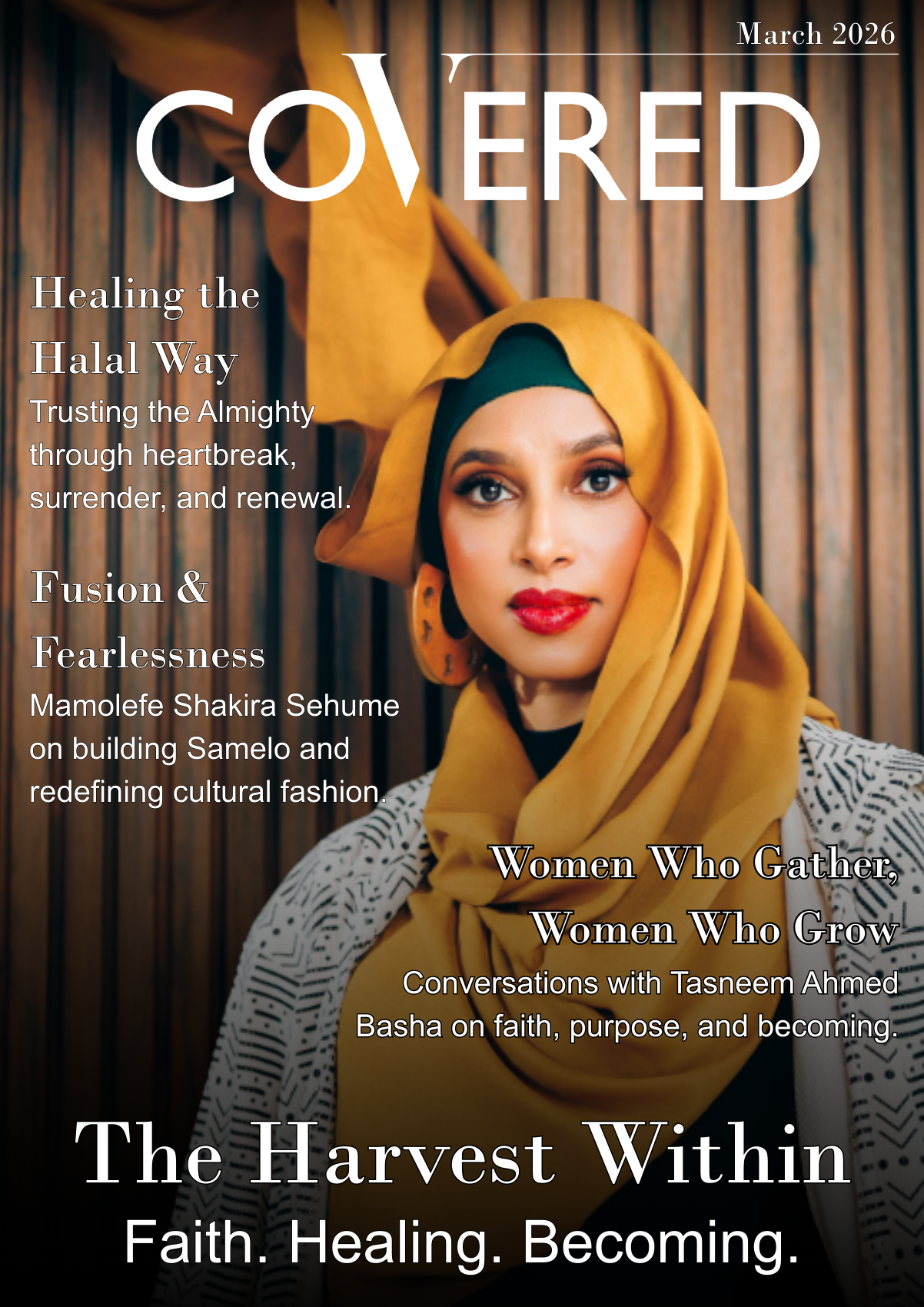
Our first issue of 2026 arrives as we step into Autumn, a season of gathering, preparing, and turning inward. It is a time to reflect, to realign, and to ready ourselves for the harvest ahead. Nature slows down, and so do we. We take stock. We become intentional. In this issue, I have the honour of sitting down with the remarkable Tasneem Ahmed Basha, whom I’ve had the privilege of hosting in our women-only workshops. Her insights and presence continue to inspire spaces where women feel seen, heard, and empowered.
We also spend time with the dynamic Mamolefe Shakira Sehume, founder of Samelo, a brand beautifully fusing African and Asian fashion. She shares the heart behind her beginnings and the bold vision guiding Samelo into its next chapter.
And in a deeply personal and necessary conversation, we explore healing through heartbreak, the halal way. A journey of surrender, resilience, and placing complete trust in our Creator. Coach Ridwana opens up about her own path of trusting the Almighty, reminding us that even in loss, there is divine alignment.
So take your time. Download your copy. Pour your tea. And step into this harvest season with us, gently, intentionally, and with faith.
With love,
Yesmien
Editor-in-Chief

Contributions
Disclaimer:
The views and opinions expressed in these articles are those of the author and do not necessarily reflect the official policy or position of Covered Magazine, its team, affiliates, or partners. All content is provided for informational purposes only and should not be taken as professional advice. Covered Magazine and all those associated with it are not liable for any actions taken based on the information presented.
Contents
Autumn
Beauty
Edit
By Faathima Abdoor
As the air turns cooler, beauty shifts into softer, richer, more nourishing moments. Skincare becomes all about repair and hydration, think gentle cleansers, barrier-boosting serums, and moisturisers that lock in glow without feeling heavy. Exfoliation slows down, while hydration steps up. Hint, hint, drink your water! Your number 1 skincare.
Makeup leans warm and effortless: bronzed skin, muted rose or terracotta blush, soft browns on the eyes, and glossy or satin lips in nude, berry, or cinnamon tones. Less heavy layers, more skin-like finishes. Giving you girlies an effortless and luxurious finish
Hair care focuses on moisture and protection. Autumn is the season for deep conditioning, scalp care, and embracing natural texture while minimising heat. Sleek buns, soft waves, and low-maintenance styles take centre stage.

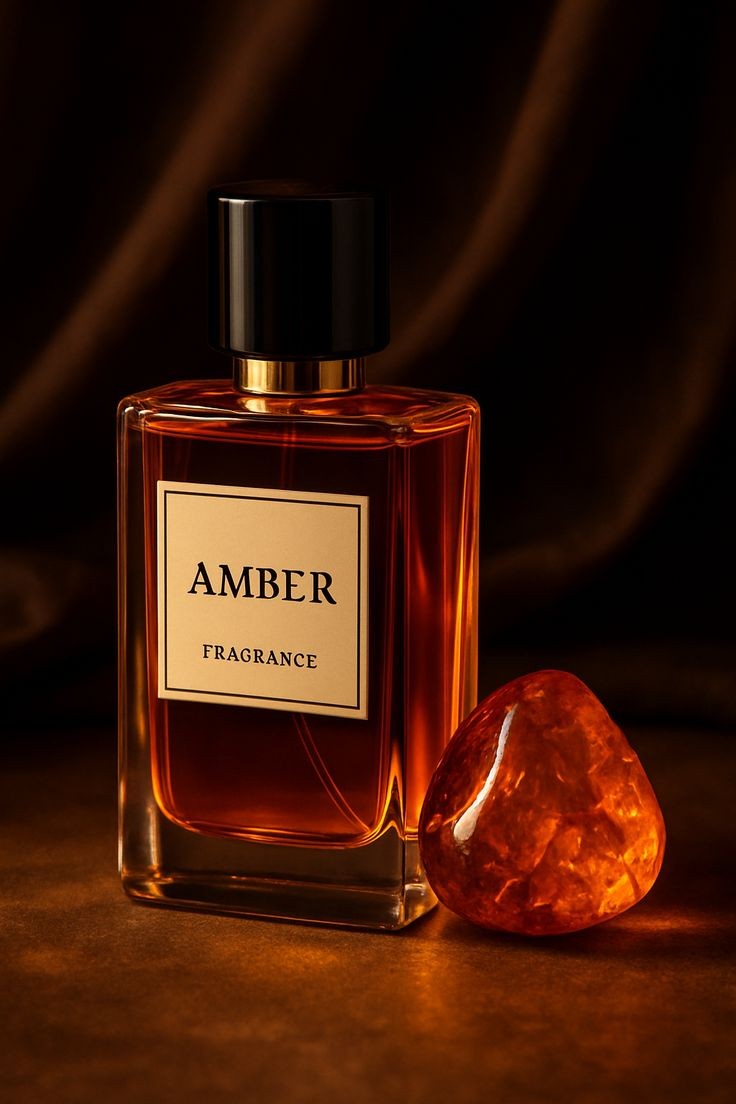
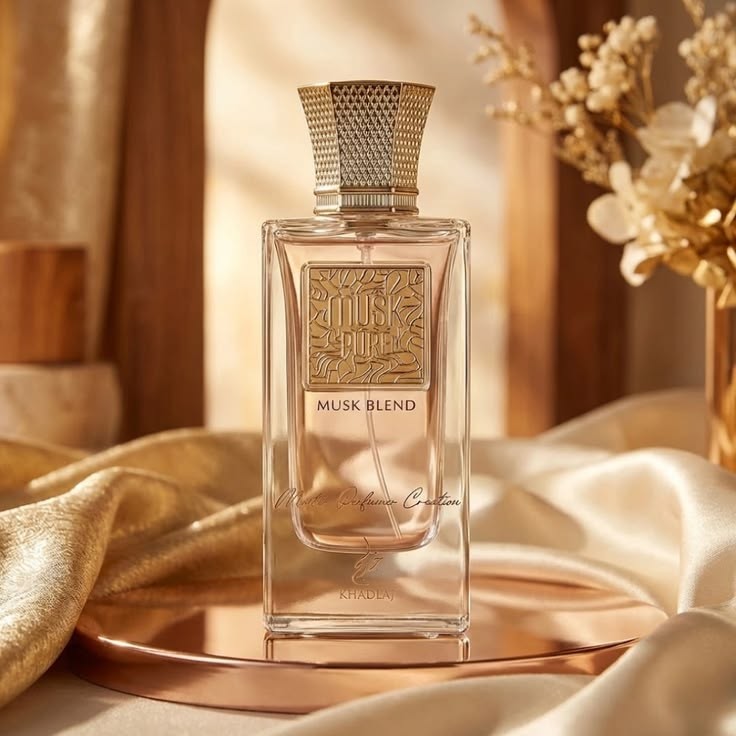
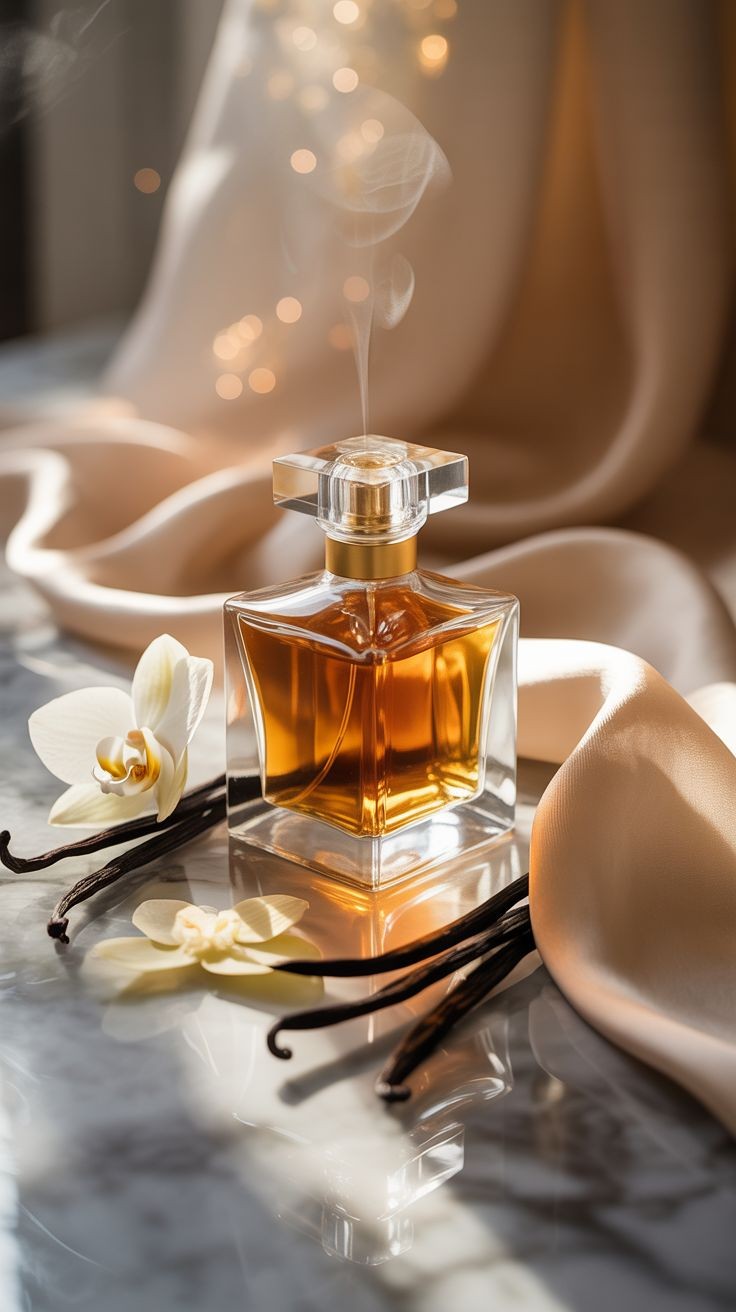
Perfume becomes deeper and more comforting, with warm florals, vanilla, amber, musk, oud, and subtle spice. Scents that feel cozy, elegant, and unforgettable.
Autumn beauty is calm, intentional, and quietly luxurious, I must say!

Healing from Heartbreak
the Halal Way
By Saadica Berriche
Heartbreak doesn’t check your iman before it breaks you. You can make dua, pray istikhara, and still find yourself crying at 2 a.m. And that’s okay!
In our communities, we often spiritualise heartbreak: “It’s Allah’s plan, move on.” True, but that doesn’t mean it doesn’t hurt. Islam doesn’t ask us to suppress pain; it asks us to navigate it with dignity.
The first step to healing is permission! Permission to grieve what could have been. Whether it was a breakup, a broken engagement, or a marriage that dissolved, loss deserves space. You can cry and still trust Allah’s qadr. You can ache and still be grateful.
Heartbreak is a detox of the soul; it removes what isn’t meant for your growth. Allah sometimes closes a door because He knows the view ahead wasn’t yours to bear.
So, how do you heal halaally? You start by refusing to chase closure from the same source that caused the pain. Replace late-night overthinking with late-night dua. Replace stalking social media with self-reflection. Write down what the experience taught you – not about love, but about you.


Then, rebuild. Do the little things that make you feel alive again, learn a new skill, rediscover your hobbies, sit in sunlight. Speak to a therapist or trusted mentor; healing isn’t a lack of faith, it’s honouring it.
And when your heart whispers, “I miss them,” respond gently: “I miss the lesson, not the person.” It is important to trust that what broke you was never meant to hold you forever.
One day, you’ll look back and thank Allah for saving you from what you once begged Him to keep. Until then, breathe. Heal.
Because healing is halal, and your glow-up is divine
How to implement: Your Halal Healing Toolkit
Therapy is sunnah-level self-respect. Sometimes a convo with a friend is enough
Journal: Write three things the experience taught you.
Replace scrolling with gratitude lists.
Heartbreak is a detox of the soul – it removes what isn’t meant for your growth.”
“You can cry and still trust Allah’s plan.”


Making Sense
of Our
Sensuality
Reclaiming the
Soft Power of
Femininity
Being a woman today requires resilience. We are taught to build, to lead, to grind, to sustain. Independence is celebrated and rightly so. The modern woman is capable and driven.
But somewhere between responsibility and ambition, many of us have drifted away from something essential: our softness.
Not weakness. Softness.
There is a difference.
We have grown accustomed to holding everything together, fixing, managing, ensuring nothing falls apart. We operate in constant productivity, often from a place of control and survival. While strength serves us, living there permanently can feel heavy.
What would happen if we loosened our grip?
What if we allowed ourselves to break down, not as failure, but as release?
What if we stopped waiting for permission to rest, to soften, to simply be?
True feminine power is not passive. It is intentional. It leads through presence, empathy, intuition, and quiet confidence. We do not have to operate from masculine energy at all times to be effective. We can build and influence from a place of grounded softness.
Reclaiming that softness led me to a deeper understanding of sensuality.
And let us be clear, sensuality is not sexuality.

Sensuality is awareness. It is connection. It is experiencing life through the body God entrusted to us. It is finding pleasure in simple rituals, the warmth of sunlight, the scent of oud, the texture of fabric, the rhythm of breath. It is gratitude embodied.
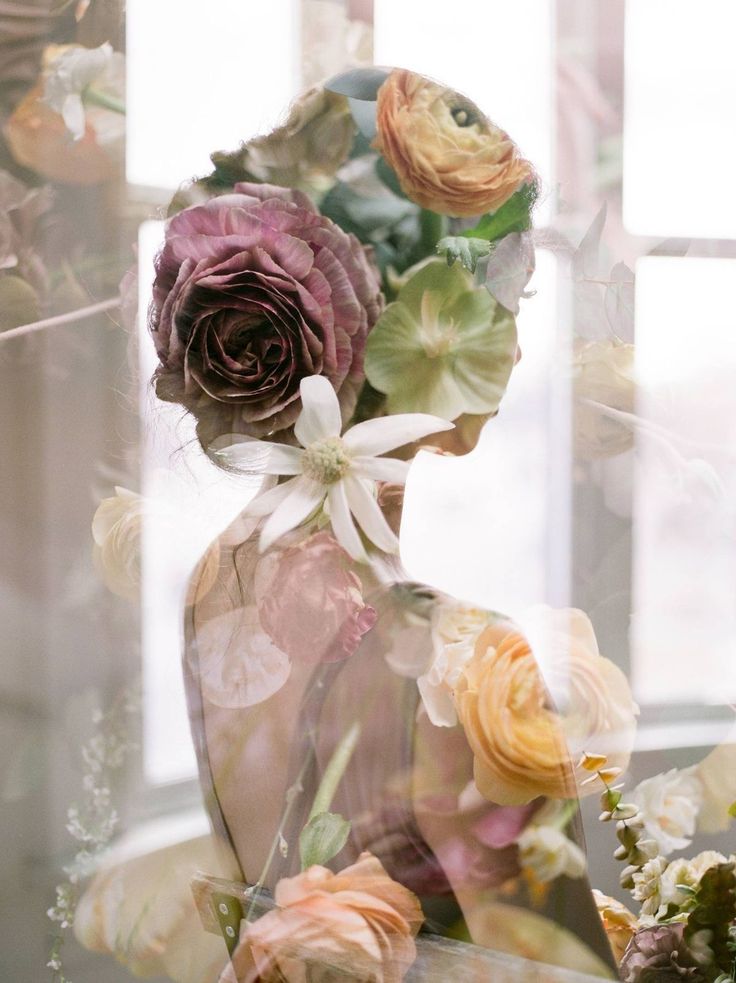
It begins with the five senses: sight, sound, touch, taste, and smell. These are gateways back to ourselves. When we reconnect with them intentionally, we unlock intuition, creativity, and emotional intelligence that modern life often suppresses.
We are cyclical beings. Our energy is not linear, and it was never meant to be. There are seasons within us: times of expansion, shedding, rest, and renewal. When we honour this rhythm instead of resisting it, we move with harmony rather than exhaustion.
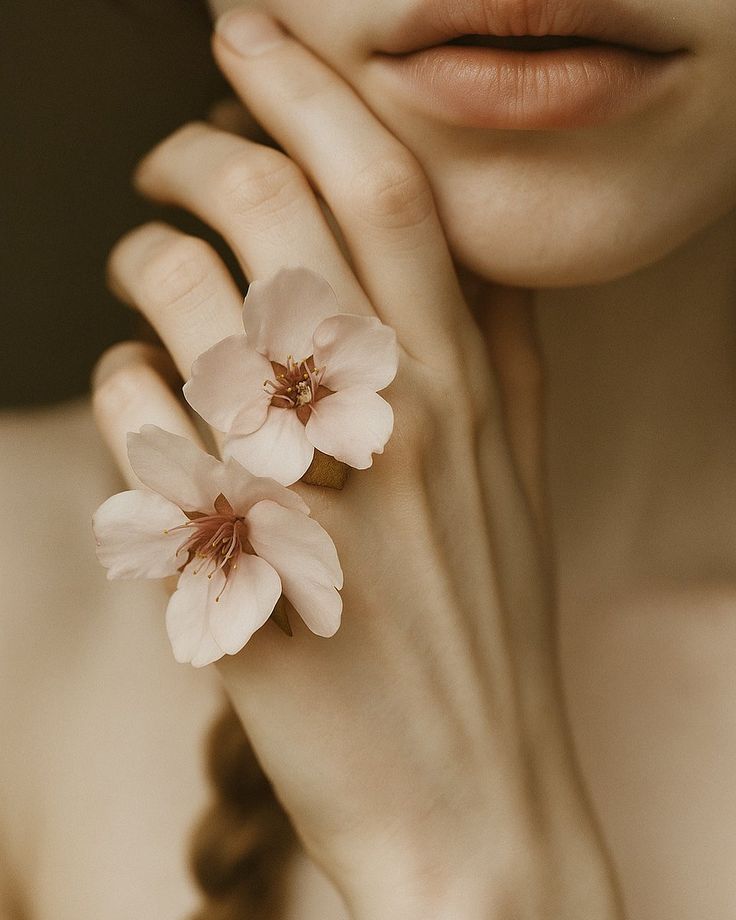
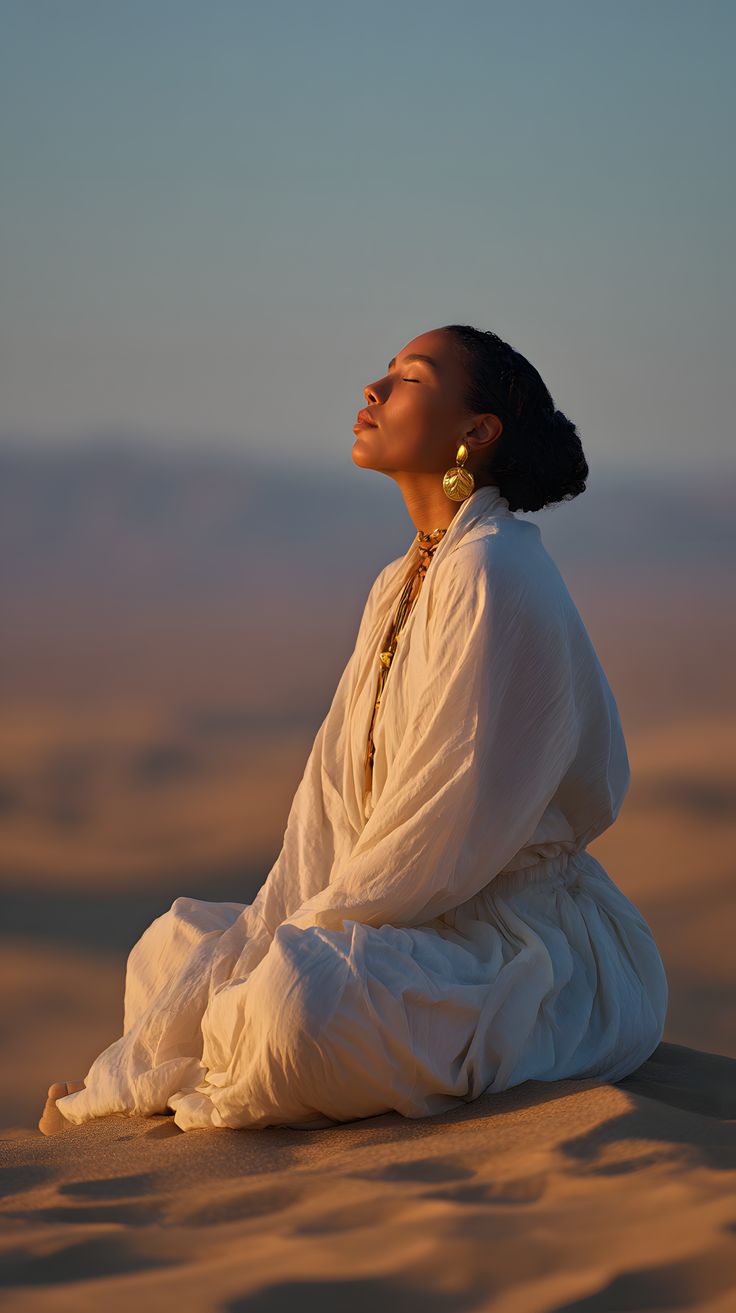
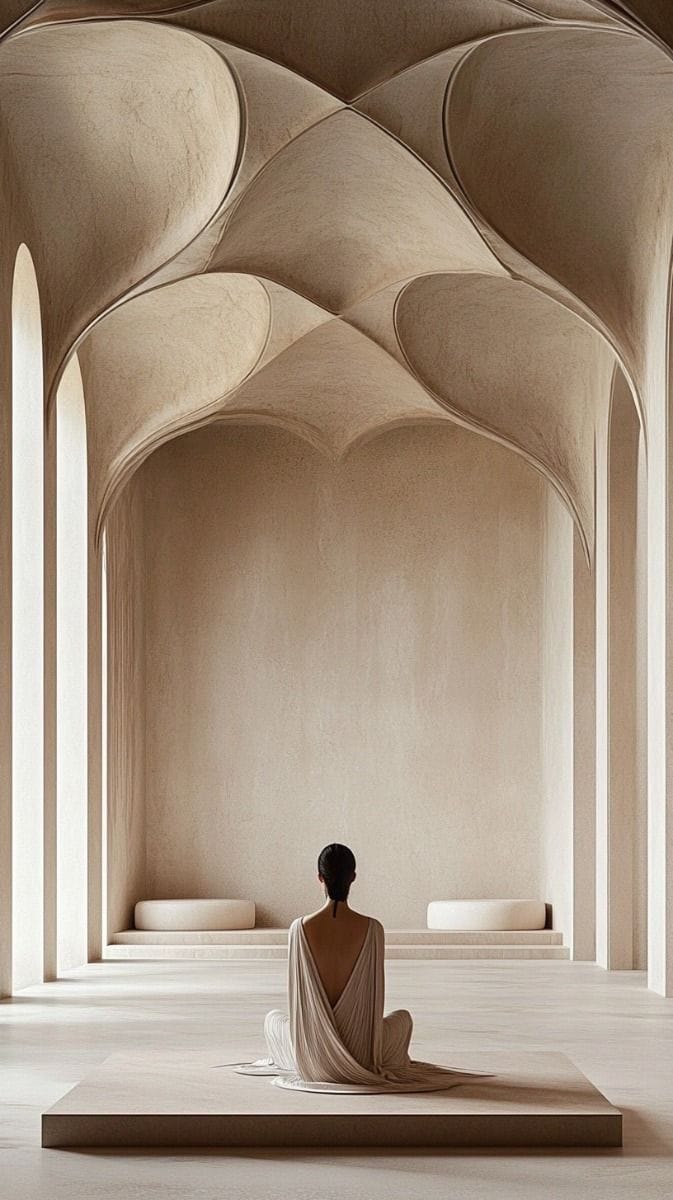
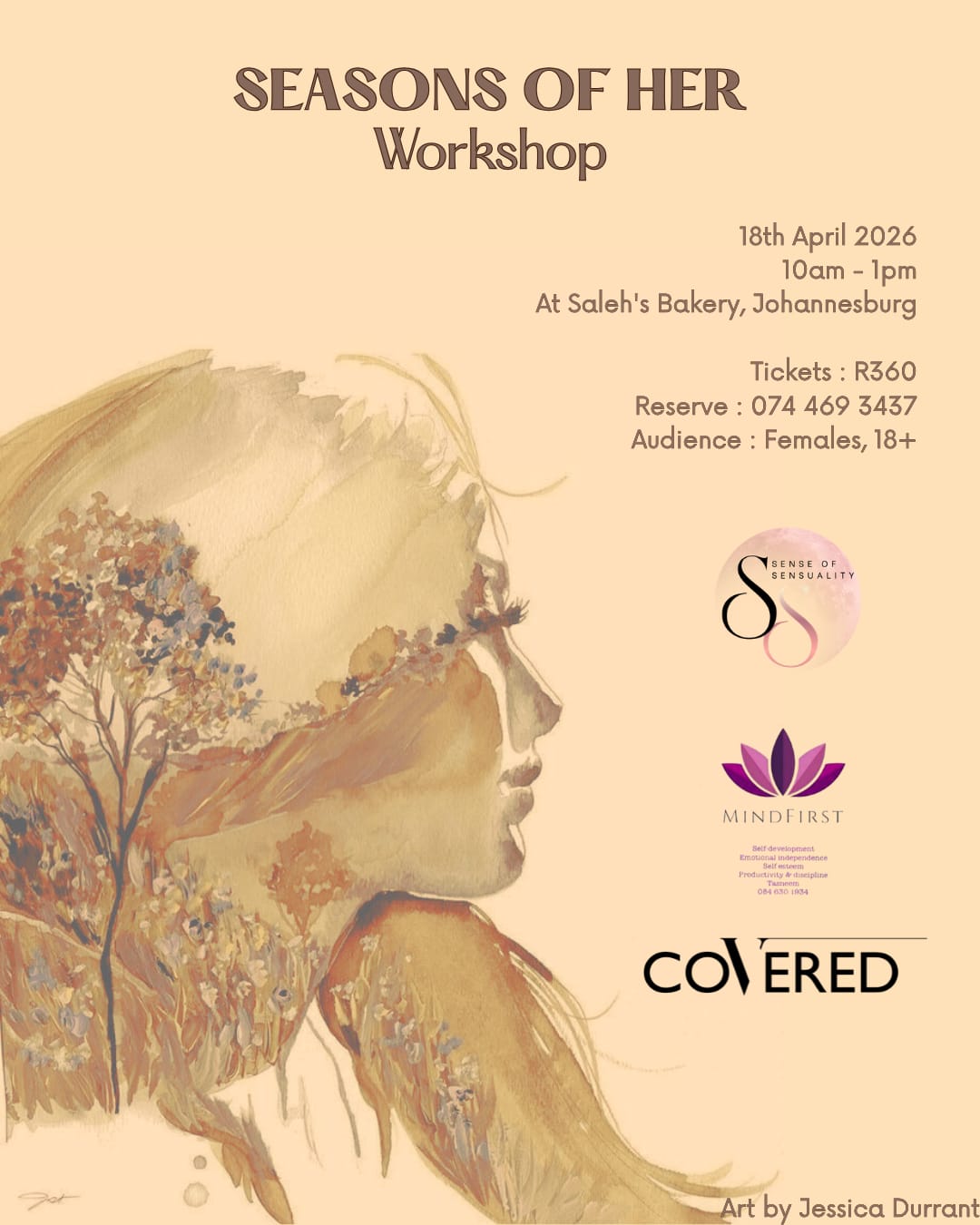
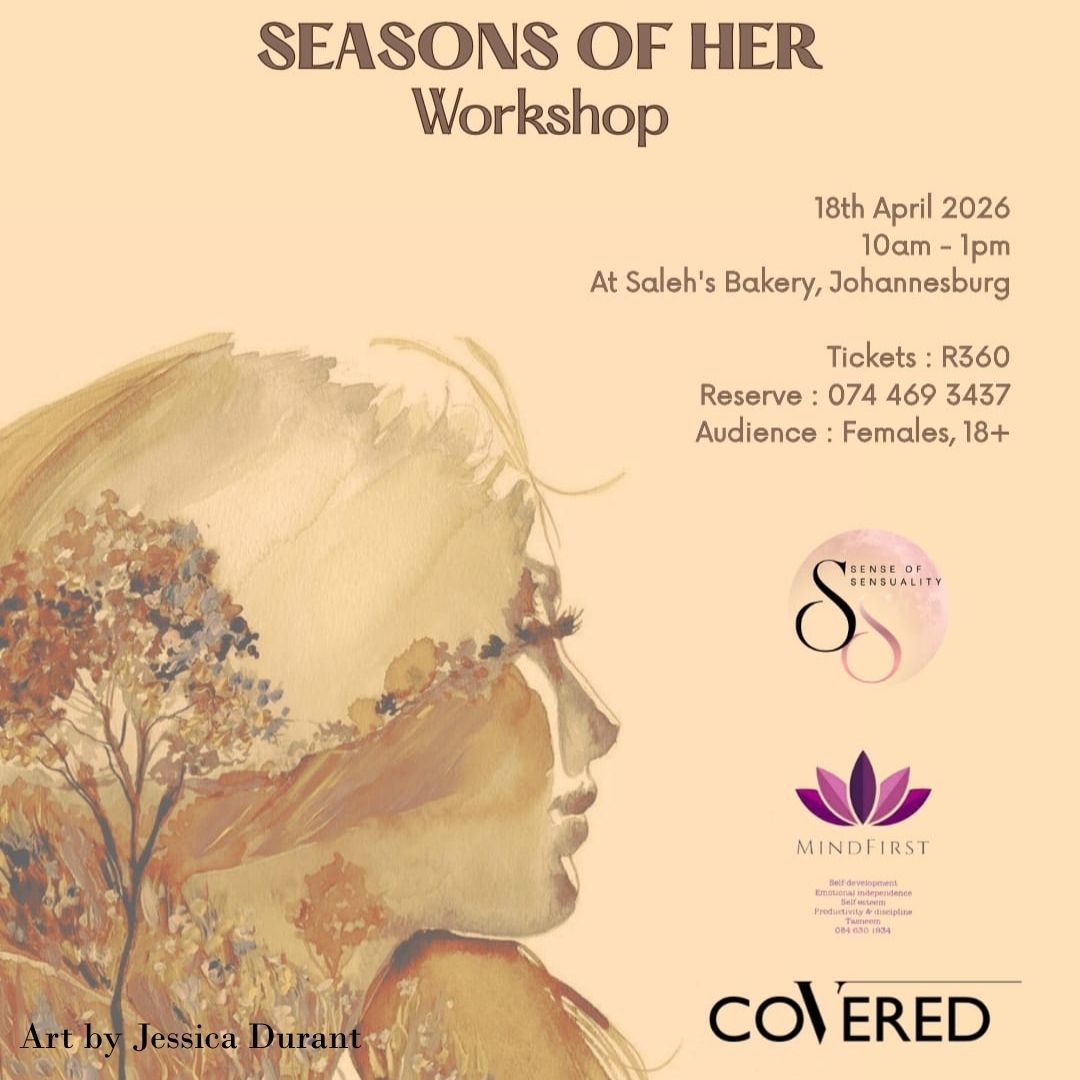
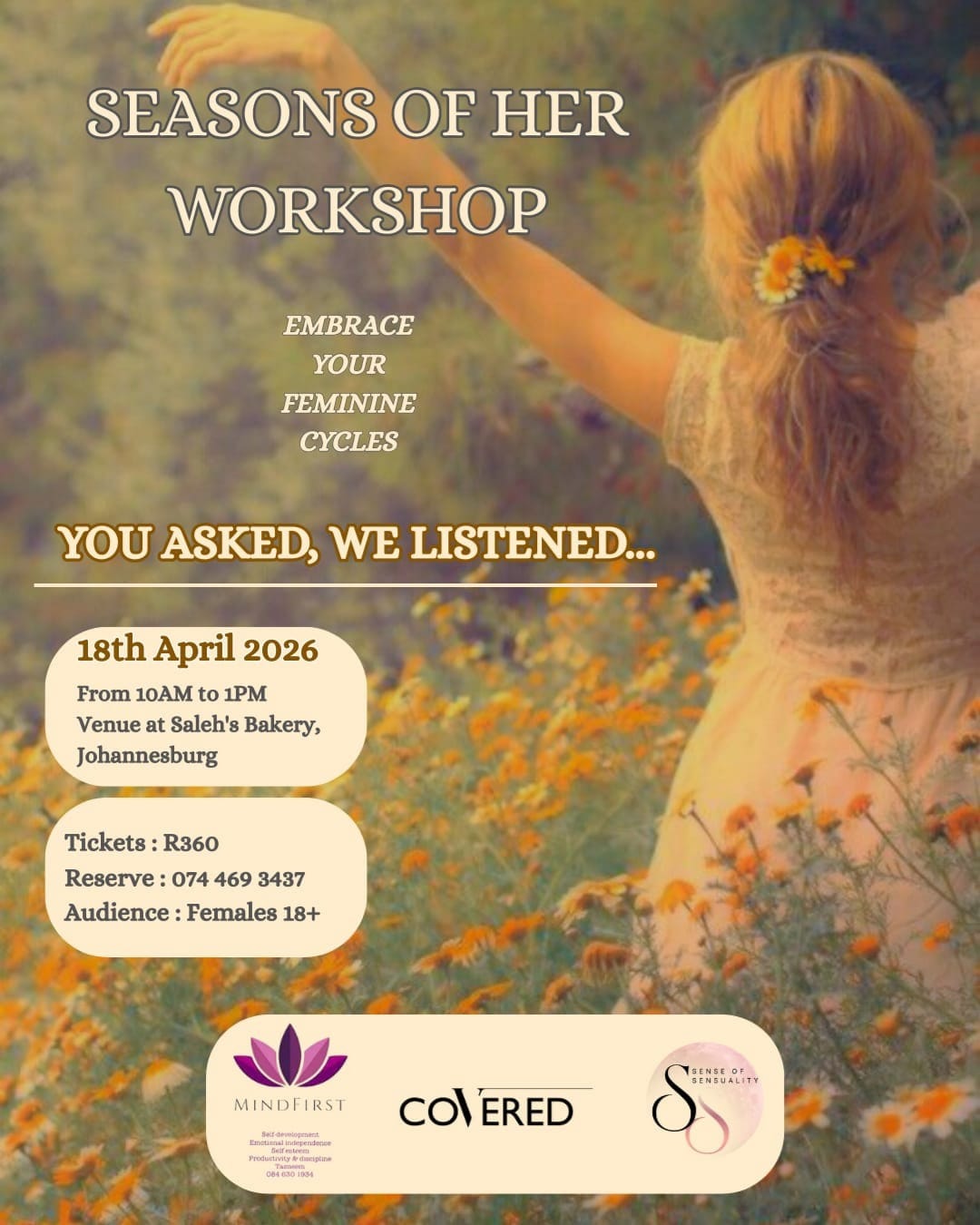
This understanding inspired Seasons of Her: a workshop experience designed to hold space for women to explore their inner rhythms, reconnect with their senses, and redefine strength through softness. It is not about abandoning ambition. It is about integrating wholeness.
We are creating a safe space for women to exist without judgment, to soften, discern, and remember that being a woman is not something to overcome, but something to embrace.
Softness is not the opposite of strength. It is strength, refined.To join our Seasons of Her in collaboration with MindFirst, experience and continue this journey of making sense of your sensuality, follow @senseofsensuality on Instagram, and step into a space created for women, by women, where softness is power, and your design is divinely intentional.

Lootah Perfumes
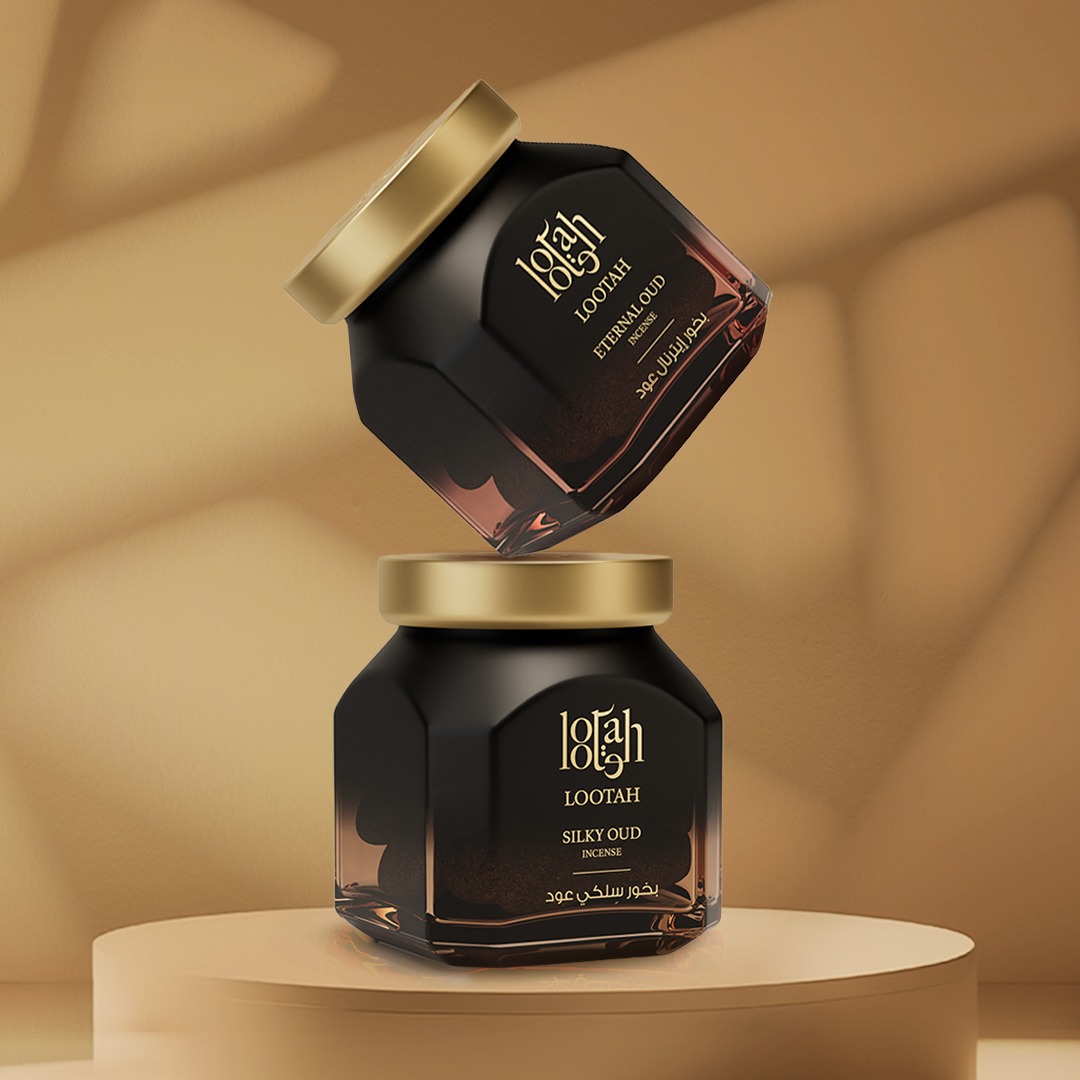
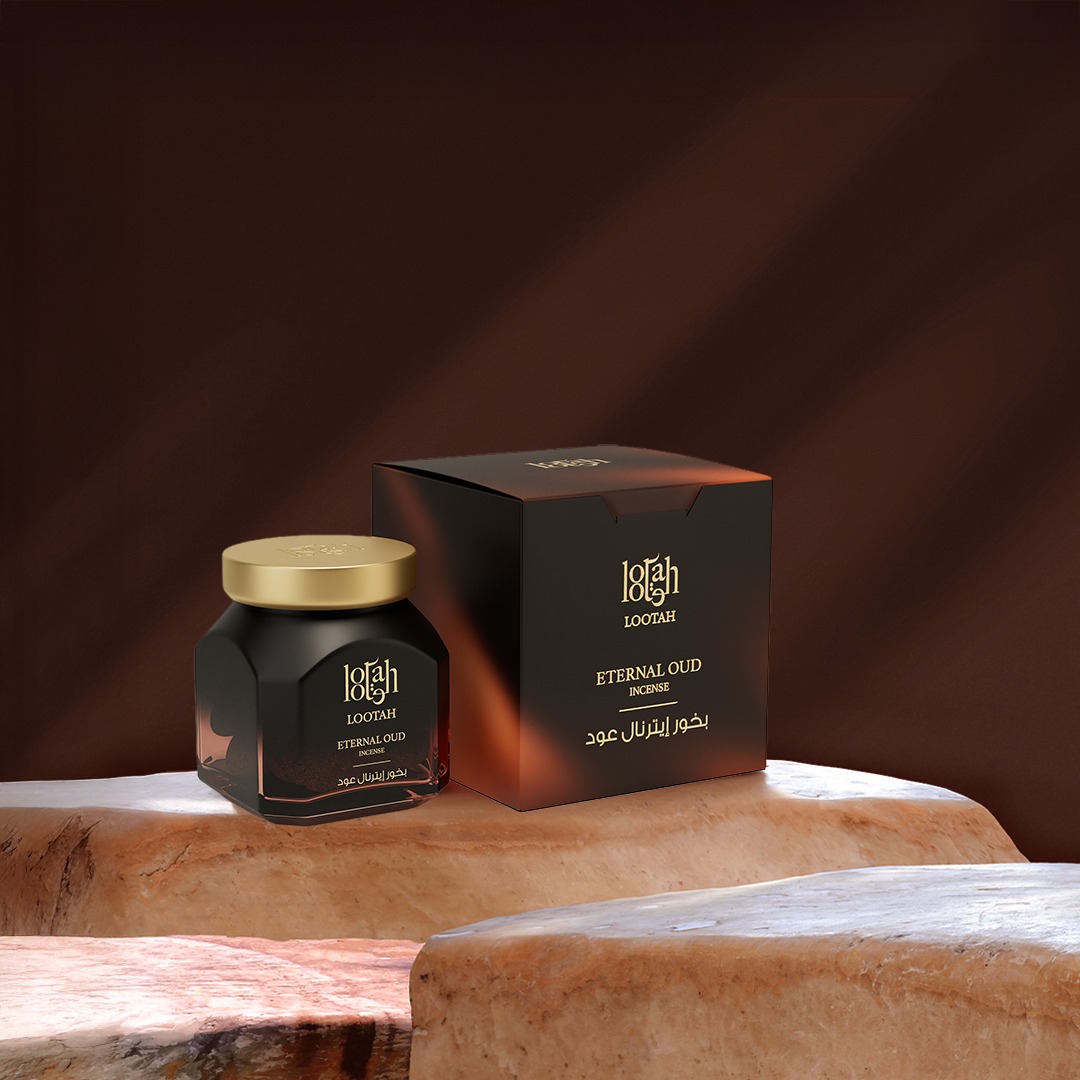
the launch of Silky Oud Bukhoor and Eternal Oud Bukhoor
This Ramadan, Lootah Perfumes deepens its oud legacy with the launch of Silky Oud Bukhoor and Eternal Oud Bukhoor, inspired by two of its most beloved fragrances. Rooted in a heritage that began in the 1950s with the art of crafting bespoke bukhoor, the house continues to honour ritual, hospitality, and togetherness.
Silky Oud offers a soft, velvety warmth, while Eternal Oud unfolds with radiant, floral depth – both designed to elevate Ramadan evenings with a refined, atmospheric expression of tradition.
SEMELO:
Fusion & Fearless
A Conversation Mamolefe Shakira Sehume by Yesmien KT
When I sat down with Mamolefe Shakira Sehume, founder of SEMELO, what unfolded wasn’t just a discussion about fashion; it was a conversation about identity, culture, memory, and evolution.
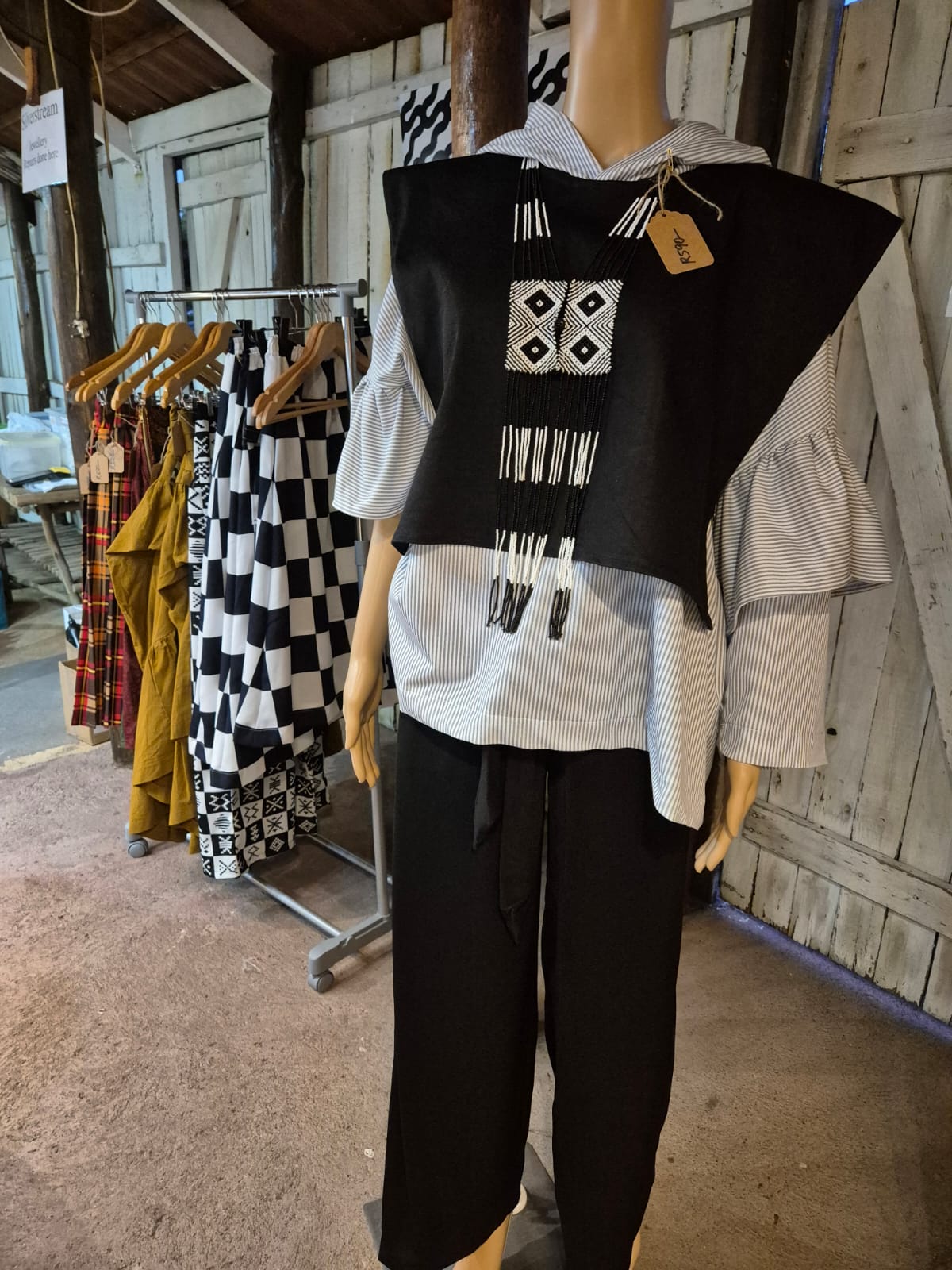
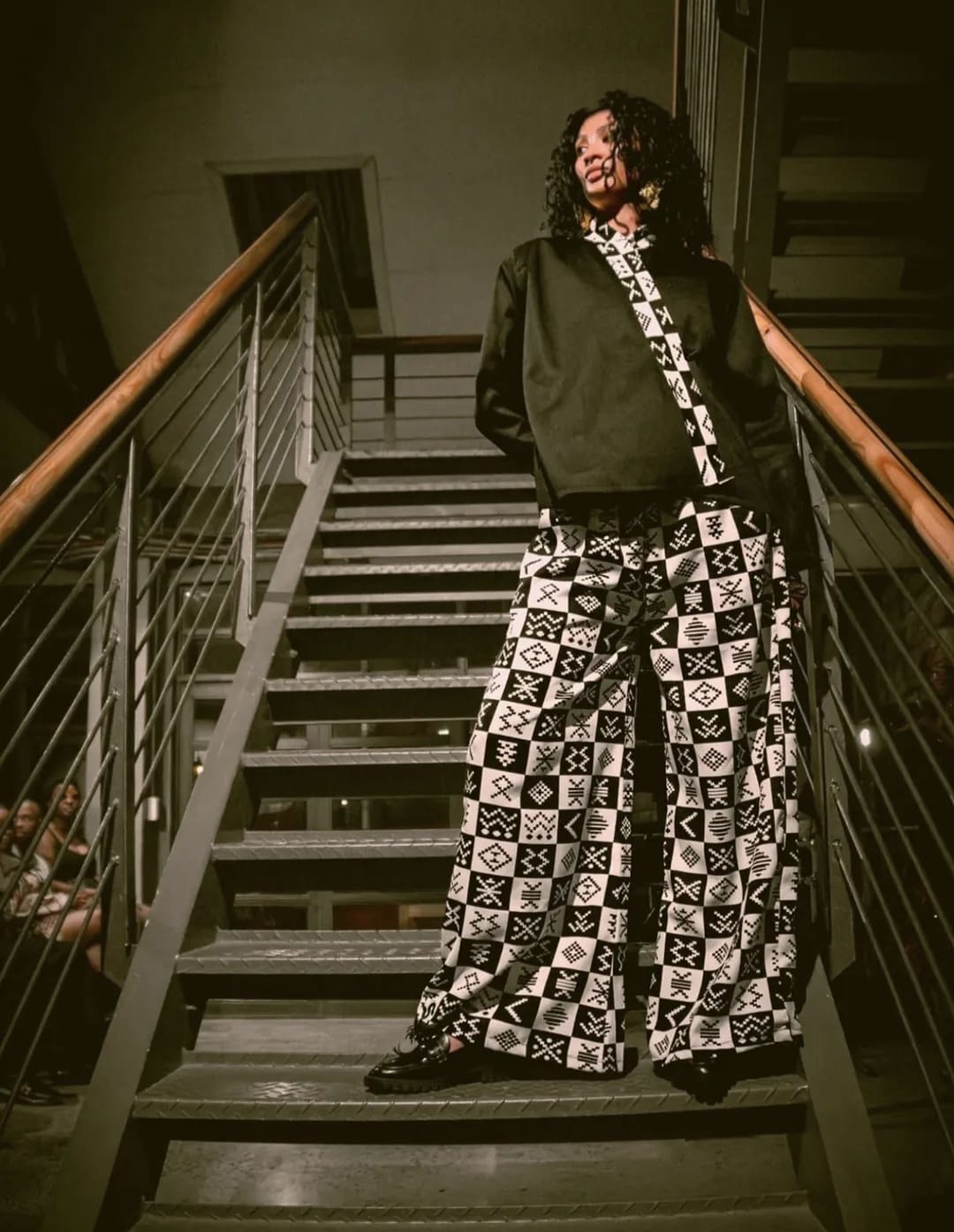
There’s a calm certainty in the way Shakira speaks about fabric. For her, textiles are not trends; they are storytellers. Rooted in Africa and inspired by Asia, SEMELO is more than a fashion brand; it is a cultural dialogue stitched into contemporary silhouettes.
What follows is our conversation.
What personal story sparked the fusion of African and Asian design within your brand?
I’ve always loved different cultures and naturally built friendships across diverse backgrounds. One of those friendships was with a Japanese friend who lived in South Africa for many years before moving back to Japan. Spending time with her allowed me to engage closely with Japanese culture, especially fashion. My first Japanese garment was a kimono, and the accessories I received from her. That’s where my interest in Asian fashion truly began.
From the inception of SEMELO, I knew I wanted to celebrate culture, with Africa as my baseline. Afro fusion intrigued me most because I felt familiar with both worlds. Both offer timeless fashion pieces. It felt like the perfect place to begin my cultural exploration journey.
How do you weave history into contemporary silhouettes?
I’m drawn to timelessness – in art, music, writing, and clothing. Pieces that make time and space irrelevant inspire me. At SEMELO, fabric leads the conversation. We emphasise character, comfort, and functionality. The fabric sets the tone, and the design complements it. When you begin with textiles rich in cultural meaning, shaping them into modern silhouettes becomes organic. Afro-Asian influences made that dialogue between past and present feel natural.
How do you honour tradition while creating something undeniably modern?
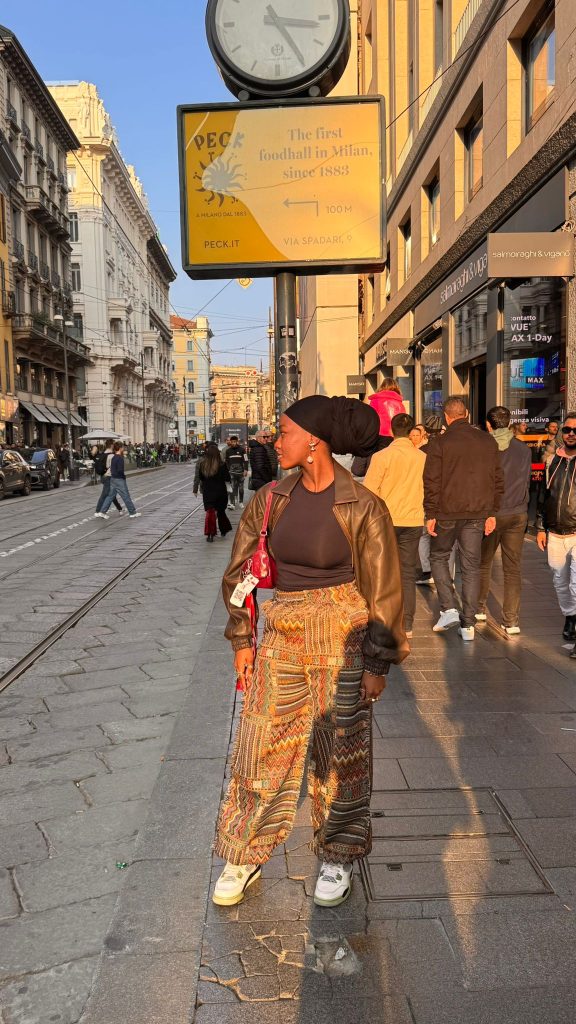
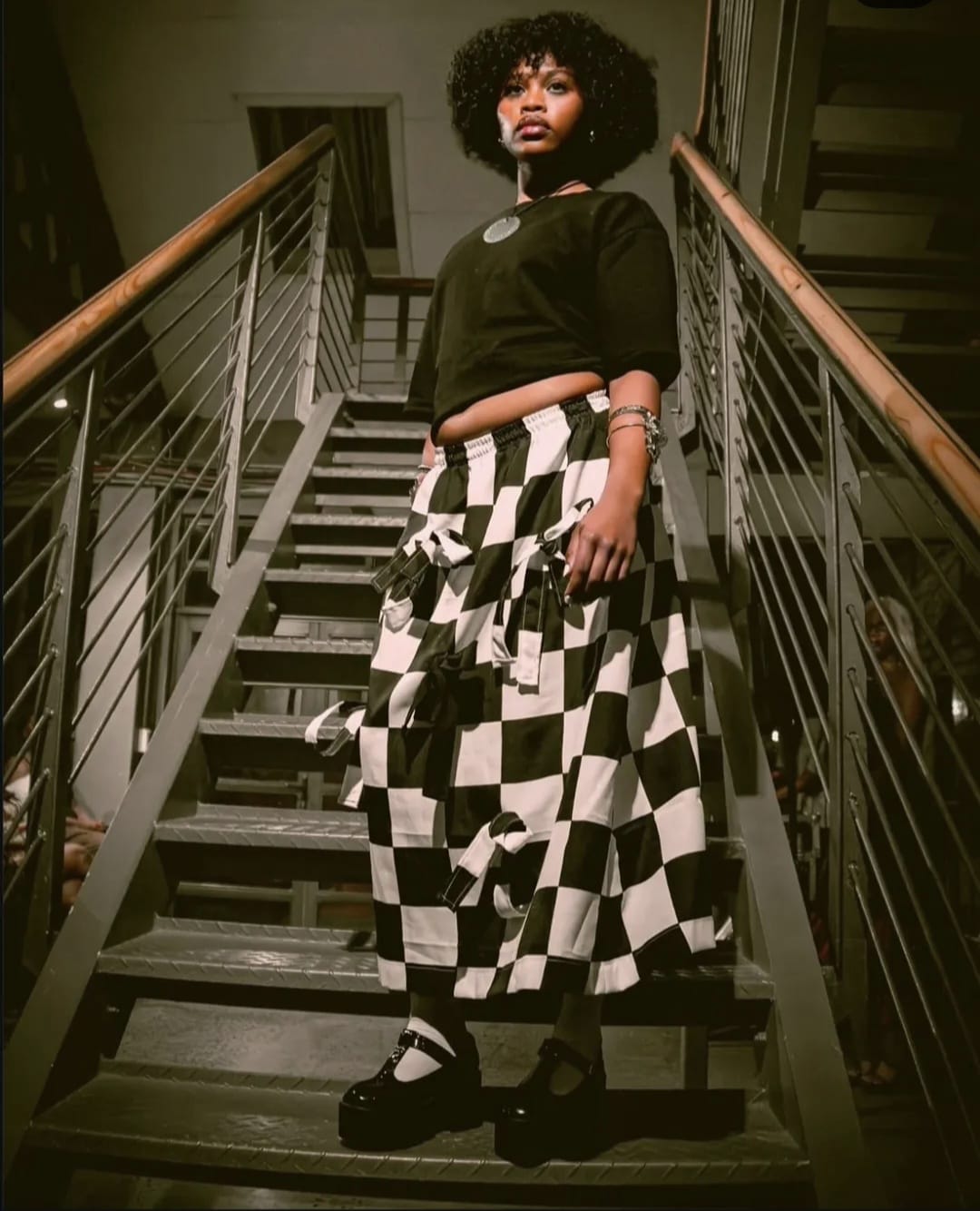
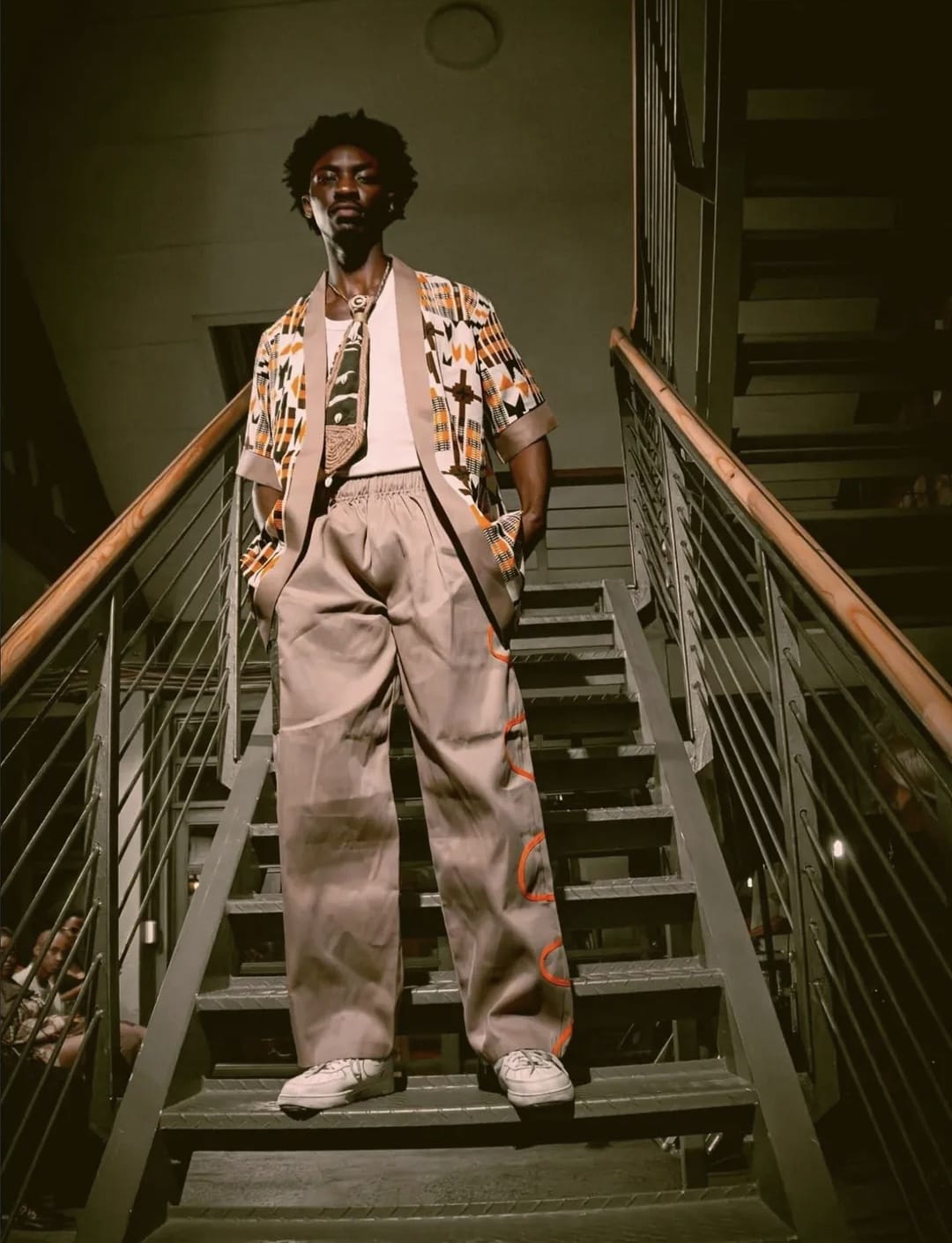
Fabric is the distinct identifier of a SEMELO garment. I intentionally choose textiles that represent culture and tradition, then pair them with simple, modern cuts. The fabric takes centre stage; the silhouette supports it. I also involve young people, my daughters, sons, and their friends, in the thought process. Their perspective ensures that while the fabric carries heritage, the design speaks to today.
What emotions do you hope to evoke through your colour and fabric choices?
Nostalgia. A strong sense of self. A feeling of home. I want the wearer to say, “I am me, and I’m rocking it.” That’s where the line “Be you, be SEMELO” comes from. I also hope to spark curiosity. When someone sees a SEMELO piece, they should wonder about the inspiration behind the fabric or the fusion. Curiosity opens conversations, and conversations connect us.
What has been the most surprising creative discovery?
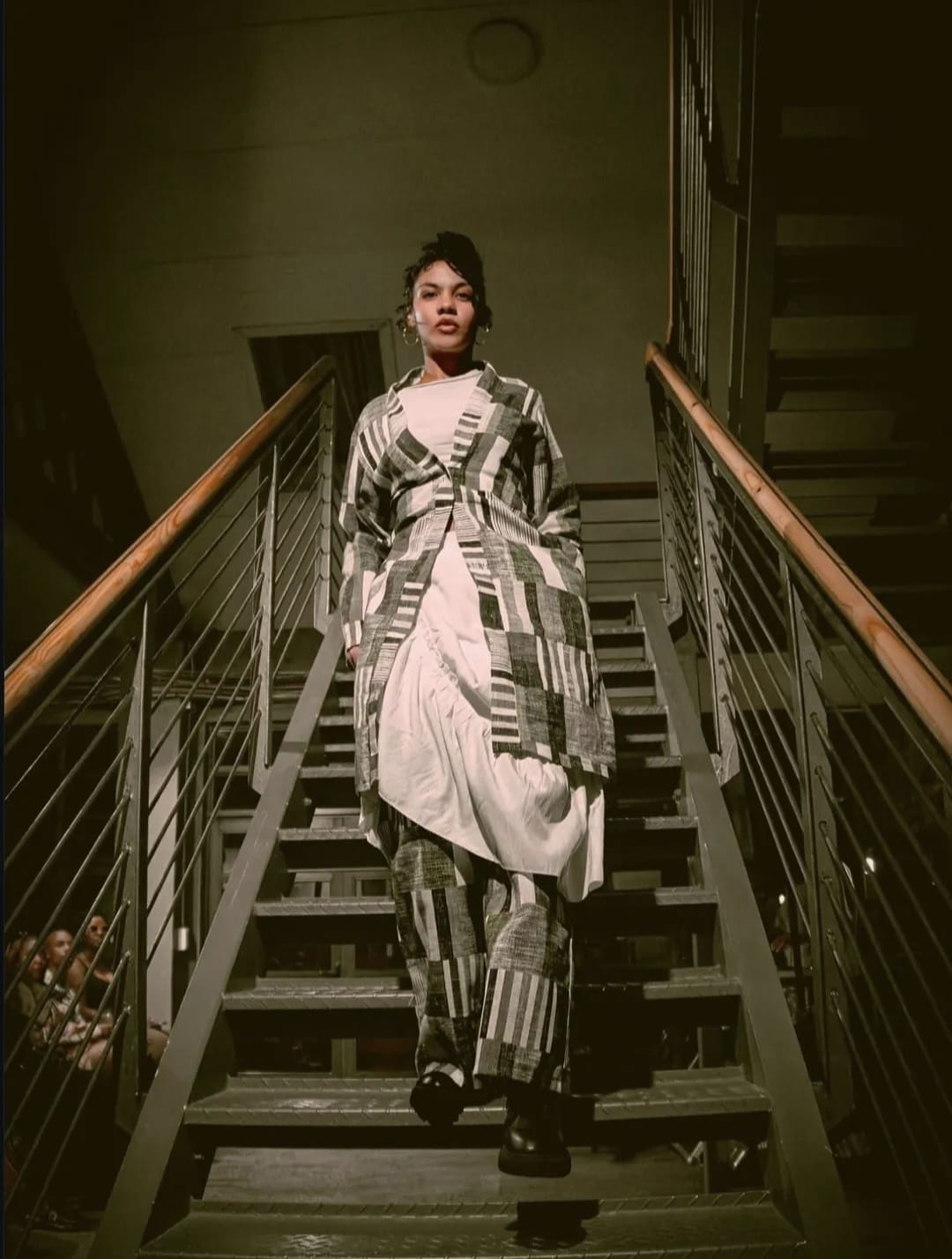
The similarities between cultures.I’ve found overlaps in textile patterns, craftsmanship, and techniques across African and Asian traditions. I didn’t expect that level of connection. It affirmed that we are intertwined and interwoven as people.I’ve also discovered that fabric can be used like a paintbrush. You don’t have to stick to norms. You can honour tradition while reimagining it.
Where does a SEMELO piece begin?
It starts with vision. I see something. I like it. Then I put on my “SEMELO vision glasses.” I consult with my seamstress to see if the idea can be brought to life. Then comes fabric shopping, one of my favourite parts. The character of the fabric connects me to it. If I can see a story in it, I know it’s right. Once the vision aligns with the textile, it’s handed over to my seamstress to weave her magic. I also collaborate with young designers, including one from Cape Town, who bring fresh creative energy into the SEMELO “potjie.” That blend keeps us evolving.
Who is the SEMELO woman?
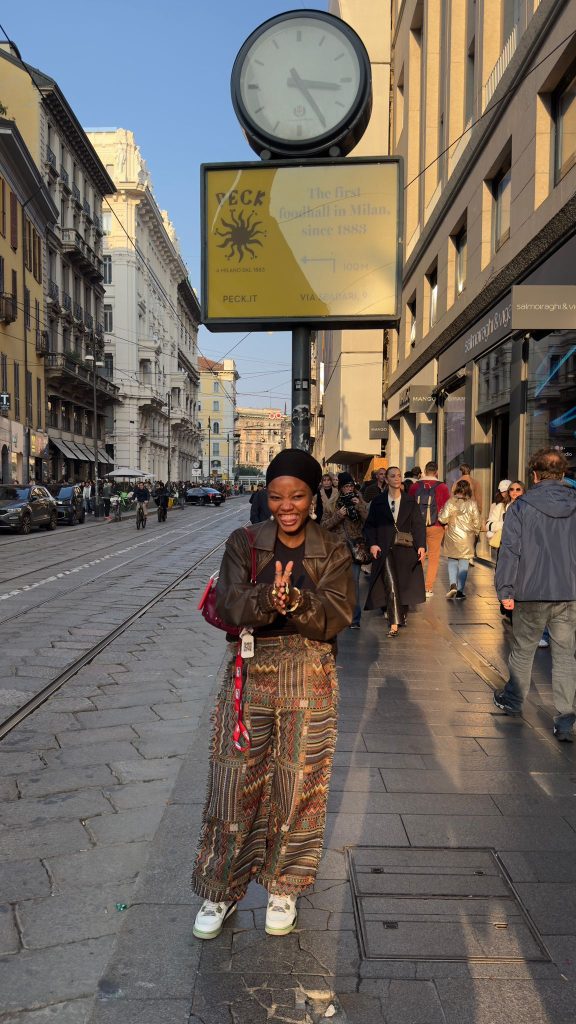
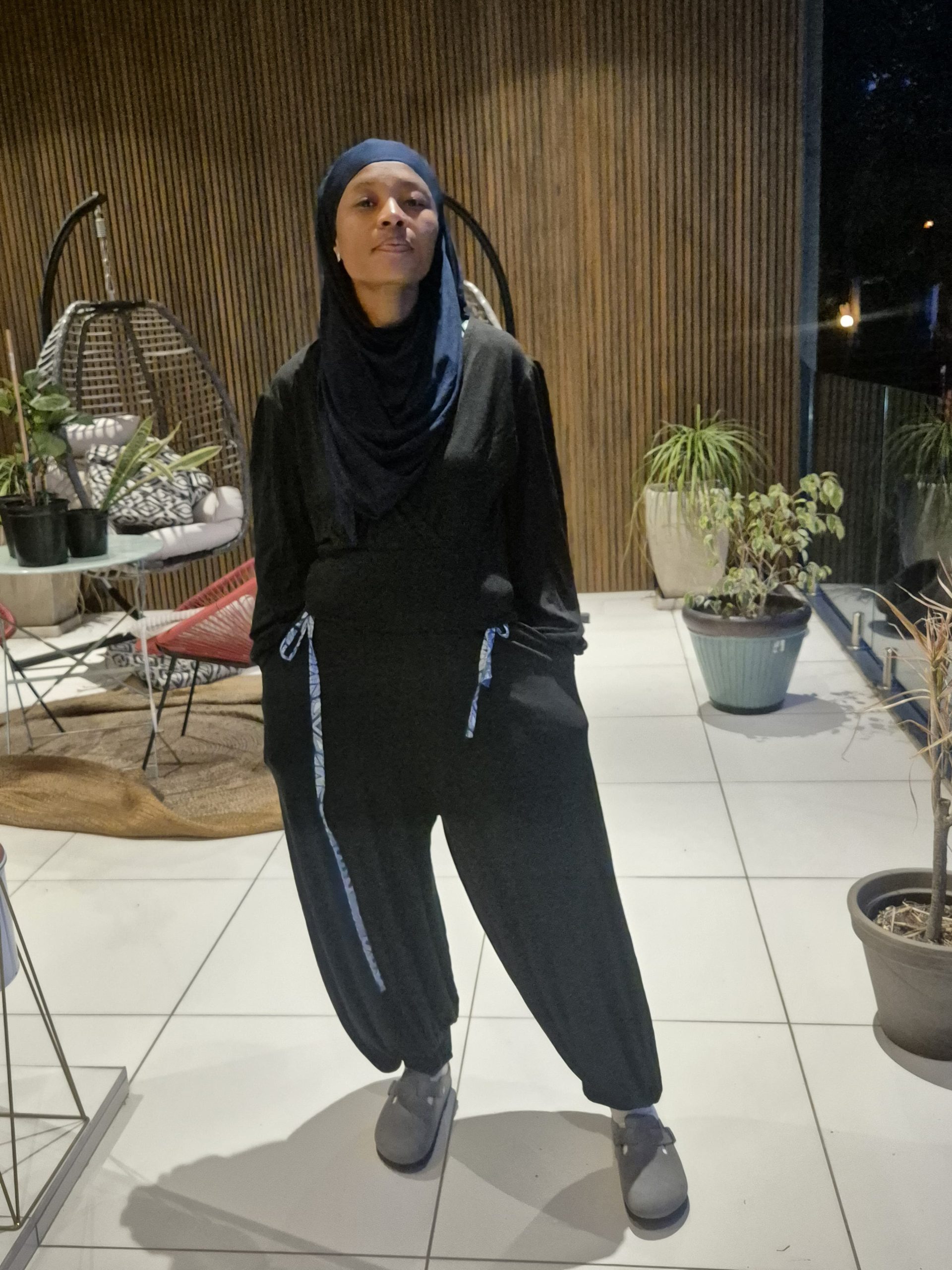
She is confident and comfortable with who she is, her energy, and her style. She is simple yet elegant. She connects with what she wears. She’s not trying to be anyone else. Her clothing reflects her authenticity. She doesn’t try too hard to be seen; her energy and outfit introduce her and narrate her story. She loves to mix and match. That’s her word of the day.
What conversations do you hope SEMELO sparks globally?
That we don’t all have to swim in the river of sameness. Different cultures are not “the other”, they are simply different. I hope SEMELO sparks conversations about intercultural collaboration and recognising the richness beyond our immediate worlds. There is so much we can learn from one another. I also believe in “go boela maropeng”- going back to the source, and respecting the earth that provides the raw materials for fashion. If SEMELO can spark conversations about our similarities and shared humanity, then part of the goal has been achieved.
Was there a defining moment that affirmed SEMELO’s vision?
Two moments stand out.
The first was being approached by young creatives to participate in their annual event for upcoming designers. SEMELO was selected from a few, and being chosen by the youth meant everything. Knowing that young people are proud to wear SEMELO is powerful, especially as an adult designer whose roots are in street fashion. Street style shaped me growing up. I was a tomboy, and that influence carried into my designs. I also wanted to bring a modest feel, knowing my daughters can wear SEMELO and feel relevant, stylish, and covered. Showcasing in Cape Town, my first time outside Gauteng, was another major affirmation.
The second was being approached by the Bryanston Organic Market to host a pop-up. I didn’t seek that opportunity; they found me. That confirmed we’re on the right track. When people see a random piece of fabric and say, “That’s giving SEMELO,” that recognition tells me we’ve created a clear identity.
How do you see SEMELO evolving while staying rooted?
One of our brand images features interwoven wool, intentionally symbolising interconnectedness. That concept sits at our core. As the world becomes more connected, SEMELO is already aligned with that reality. Our logo reflects the evolution of self, embracing who you are while allowing yourself to grow. Staying connected to diverse cultures, involving young people in the journey, observing, and researching, keeps us relevant. I believe in bridging generational gaps. The only thing I’m stubborn about is technology – she laughs – but otherwise, I don’t resist change.
As our conversation ended, what stayed with me was Shakira’s quiet conviction: that fashion can soften borders, spark dialogue, and remind us of our shared threads. SEMELO is not chasing trends. It is building bridges between continents, generations, and identities. And perhaps that is its greatest strength.
Be you.
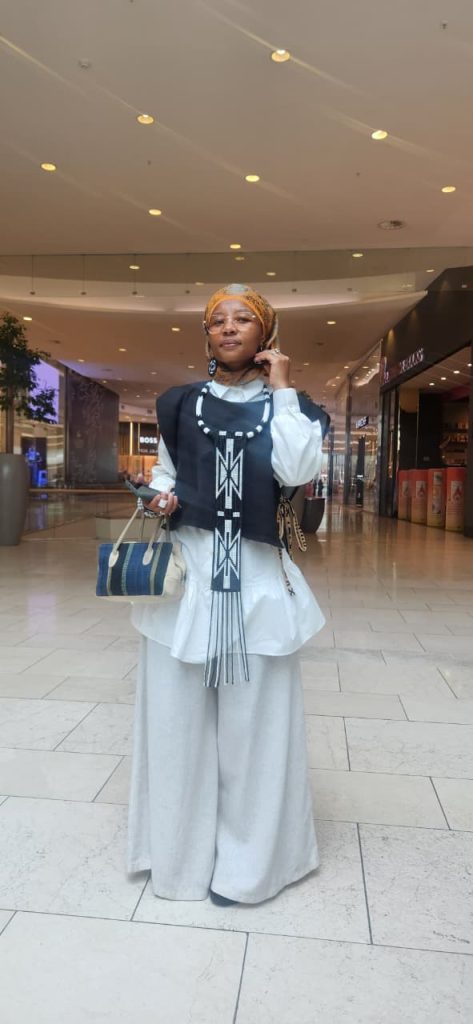
Be SEMELO.

Goal-Driven & Intentional:
A Woman’s Blueprint to Financial Confidence
Raeesa Casoojee
Lately, social media has been flooded with conversations about women and financial independence or the lack thereof. Many express uncertainties about how to earn an income or where to even begin. For some, the concern stems from not having pursued tertiary education; for others, it is the vulnerability of relying solely on a spouse for financial support. Beneath these discussions lies a shared undercurrent of fear and overwhelm, the looming “what ifs” and the pressing question of where to from here.
It all begins with Intentions:
The Hadith teaches us, “Actions are judged by intentions, and every person will have what they intended.” It is a powerful reminder that even the smallest effort can carry immense reward when it is sincerely for the pleasure of the Almighty and aligned with the Sunnah of the Prophet (SAW).
In the context of pursuing financial independence, this begins with clarifying your why. When your primary intention is rooted in faith and responsibility, your daily efforts take on lasting value. Intentions, after all, are the true currency of the Aakhirah. Secondary goals may follow, but it is the purity of intention that gives the journey its deeper meaning.

Financial Independence and Earning
Islam encourages self-sufficiency to avoid the shame of begging or relying on others.
Dua: A weapon for a believer-Ask Allah for guidance, piety, safety, and self-sufficiency (not needing people).
Encouragement to Work: There is no better meal that is eaten than that which a person has earned with his own hands. Wealth gained through halal work is blessed, while haram earnings carry no barakah.
Contentment and Wealth: Wealth is not in having vast riches, it is in contentment- Do not forget to show gratitude daily.

Saving and Financial Planning
Islam advises individuals to prepare for the future and ensure their dependents are secure, rather than spending everything immediately.
Financial Mindfulness: Spending should not be done excessively (wastefully and mindlessly) nor sparingly (giving up on the joys of life or being stingy and hoarding), but rather in a just and moderate way.
Preparation for Hardship: The story of Prophet Yusuf (AS) storing grain for seven years is a direct Quranic mandate for long-term planning, saving, and financial management.
Financial Literacy and Responsibility
Financial literacy in Islam includes understanding, tracking, and managing money (Amaanah) in a way that is halal and avoids wasteful behaviour.
- Trust in Allah (“Tie Your Camel”): Allah is Al-Razzaq, the Ultimate Provider. In an age of rising living costs and economic uncertainty, it is natural to feel anxious about the future. Yet a believer anchors their heart in trust, knowing that true sustenance comes from Him alone.
- Understanding Riba (Usury/Interest): The Quran prohibits interest, which destroys the blessings in wealth.
- Dangers of Debt: After the major sins which must be avoided, the greatest sin is that someone dies in a state of debt and leaves behind no asset to pay it off.
- Charity: Allah increases blessings in charity as zakat and sadaqah purify one’s wealth. It is incumbent that we fulfil our obligations timeously as it is also a form of protection from calamities.

Ideas on how to earn & save:
Turn your passion or skill into Profit: Believe in yourself and that Allah has made you able and capable of success.
Whether you earn an income, receive an allowance, manage the household budget, or are still a student — make it a habit to save, even if the amount seems small. Consistency matters more than size. Place it in a Shariah-compliant profit-bearing account or invest wisely; small, disciplined steps today build security for tomorrow.
Home-based businesses: No matter how saturated the market seems, remember that rizq is from Allah. With sincere intention, consistent effort and dua, there is always room for barakah and success.
A guide on how to budget:
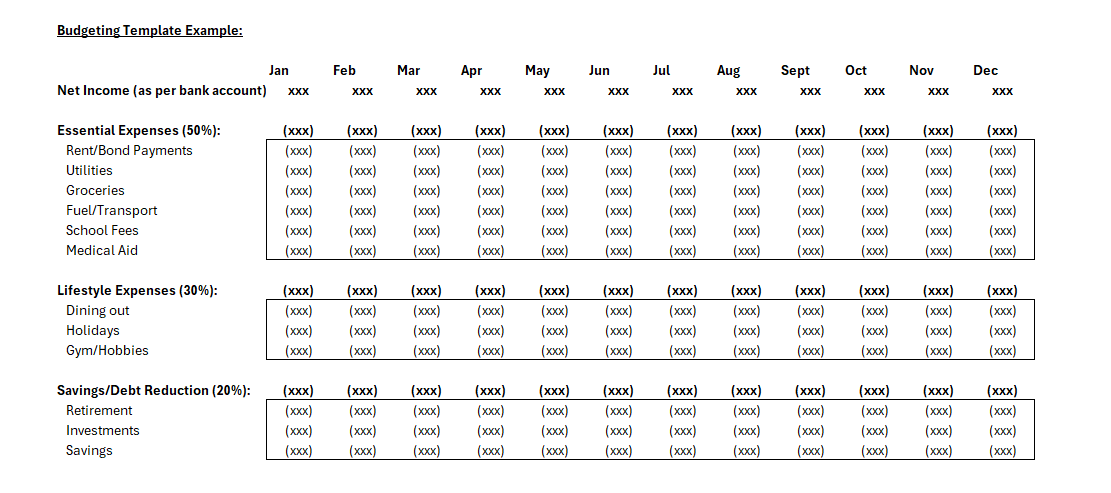
- The 50/30/20 Budgeting Rule- 50% – Needs (Essential Expenses such as rent, groceries, utilities, fees), 30% – Wants (Lifestyle Choices such as dining out and hobbies) and 20% – Savings and Debt Reduction (Reducing debt, investing, or saving towards retirement). Every home functions differently and this can be amended accordingly.
- Golden Rule- If you want something that is not an essential item, and it causes you debt- you do not need it.
- Goal setting- Set goals & save towards your hearts halaal desires such as traveling or spoiling yourself with something you really want – Learn to be merciful to yourself.
- Using tools, apps or simple excel files to budget- This will hold you accountable and prevent you from spending money on unnecessary things without intention.


Returning to Wholeness
Tasneem Ahmed Basha
on Wholeness, Rhythm,
and Divine Alignment
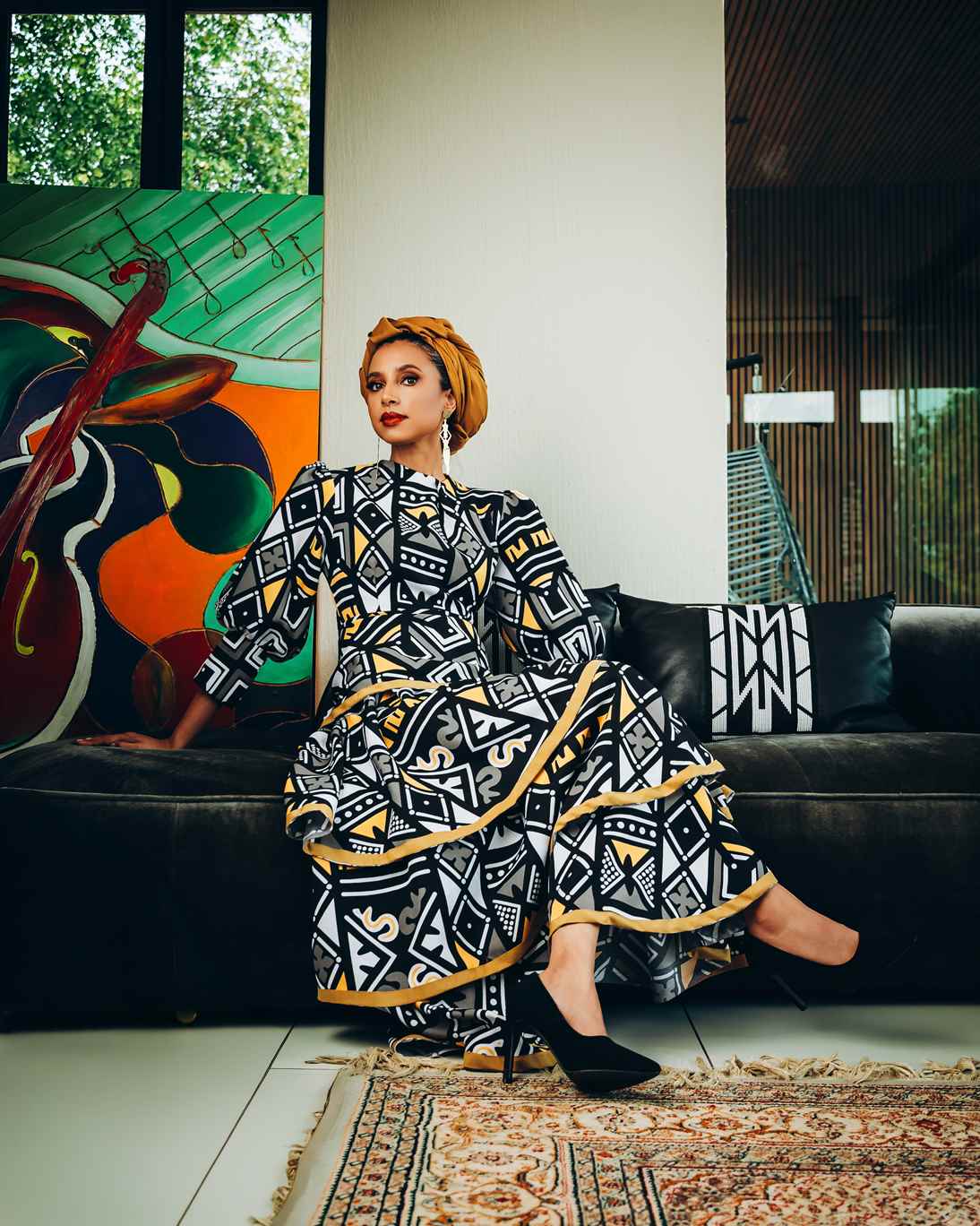
There is a softness to Tasneem Ahmed Basha’s work, but don’t mistake it for fragility. It is grounded, discerning, and quietly revolutionary. As a holistic coach working at the intersection of mind, body, and spirit, Tasneem does not approach healing as a mission to fix what is broken. Instead, she gently disrupts that entire premise.
Because, as she reminds us, we were never broken to begin with.
Her journey into holistic coaching began, as many profound awakenings do, with motherhood.
Watching how deeply a mother’s emotional world shapes her children’s health shifted her understanding of wellness entirely. Suddenly, “just push through” and “I’m fine” didn’t feel quite as harmless. Health, she realised, could no longer be compartmentalised into neat little boxes.
The body does not operate separately from emotion. The spirit does not stand apart from physical vitality. Everything influences everything.
“We are holistic beings,” she says, “yet we have forgotten.”
Much of the depletion Tasneem sees in women stems from a misunderstanding of our own design. Exhausted? Must be a discipline problem. Burnt out? Try harder. Didn’t wake up glowing at 5 am ready to journal, run, meal prep, and build an empire? Clearly a personal failure.




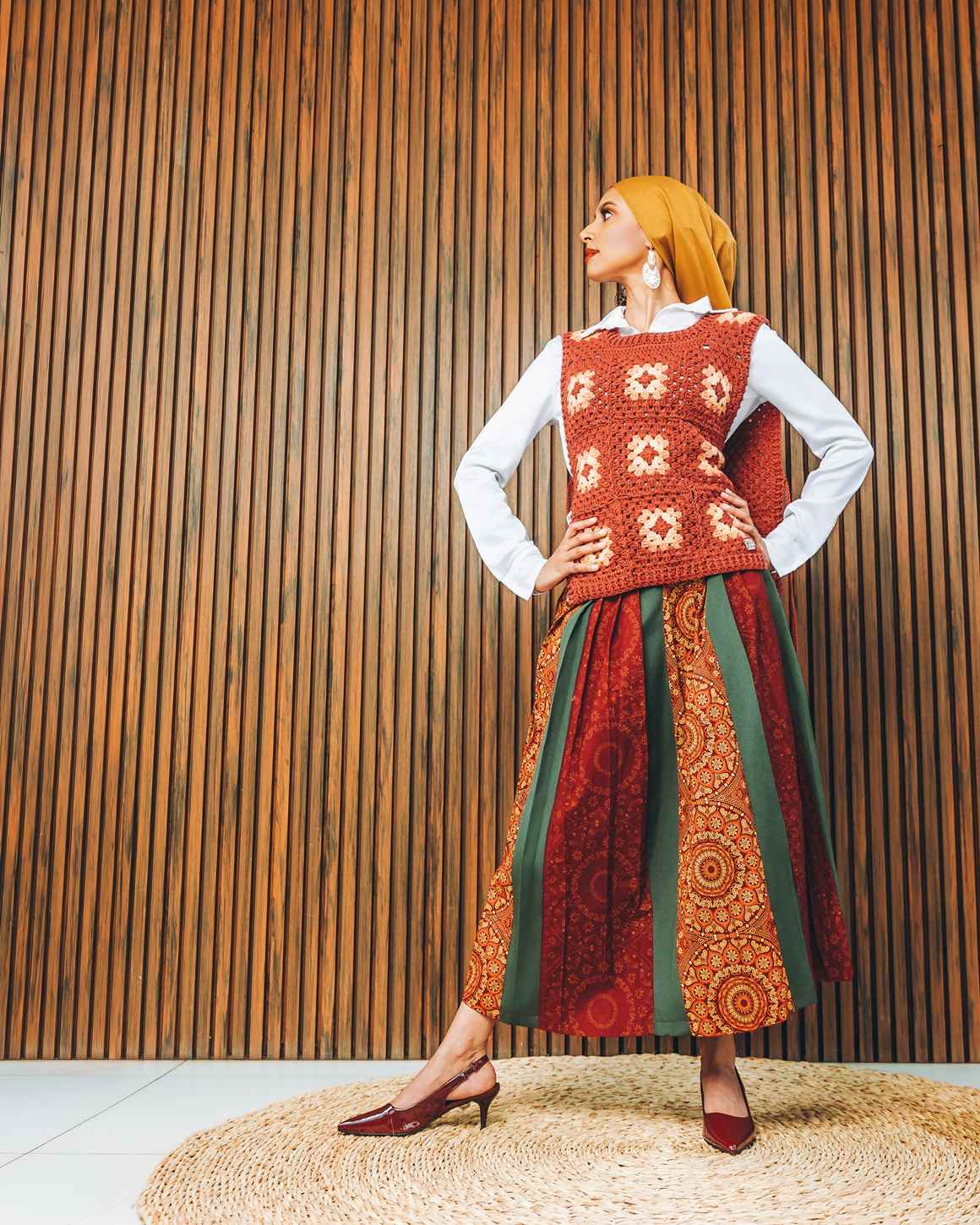
Or… perhaps not. Women, she explains, are cyclical beings living in a linear world. We measure ourselves against rigid productivity models that were never designed with our rhythms in mind. We push through hormonal shifts, emotional waves, and spiritual fatigue as though consistency is the highest moral virtue. But the feminine is flux and flow. Not a malfunction – a design.



When misalignment sets in, it rarely announces itself dramatically. It feels more like effort without ease. Productivity without satisfaction. You’re doing all the things, ticking the boxes, showing up… and still feeling strangely empty.
The body tightens. The nervous system stays braced. Life becomes performance.
Healing, in contrast, begins far less dramatically than we imagine. It begins with noticing. With breathing. Slowing down long enough to feel what’s actually happening beneath the to-do list. Alignment returns through rhythm, not force.
At the heart of Tasneem’s philosophy is the understanding that wholeness is not perfection.
It is coherence – thought, emotion, and energy moving in the same direction. It is accepting both what we struggle with and what we shine at. And, ironically, many women find it harder to own their strengths than their wounds. Self-criticism? We’ve mastered that! Self-acknowledgement? Still buffering…
She also gently dismantles the myth that boundaries make us cold, selfish, or dramatic. Boundaries, she says, are the healthiest distance at which love can flourish. They are embodied, not just announced in a moment of frustration and forgotten the next day.
Healing, she notes, evolves across seasons.
In early adulthood, many women overextend themselves trying to prove worth, capable, agreeable, dependable, and endlessly available.
Later, something shifts. The body begins speaking louder. Discernment sharpens. The once-impressive ability to tolerate everything slowly dissolves.
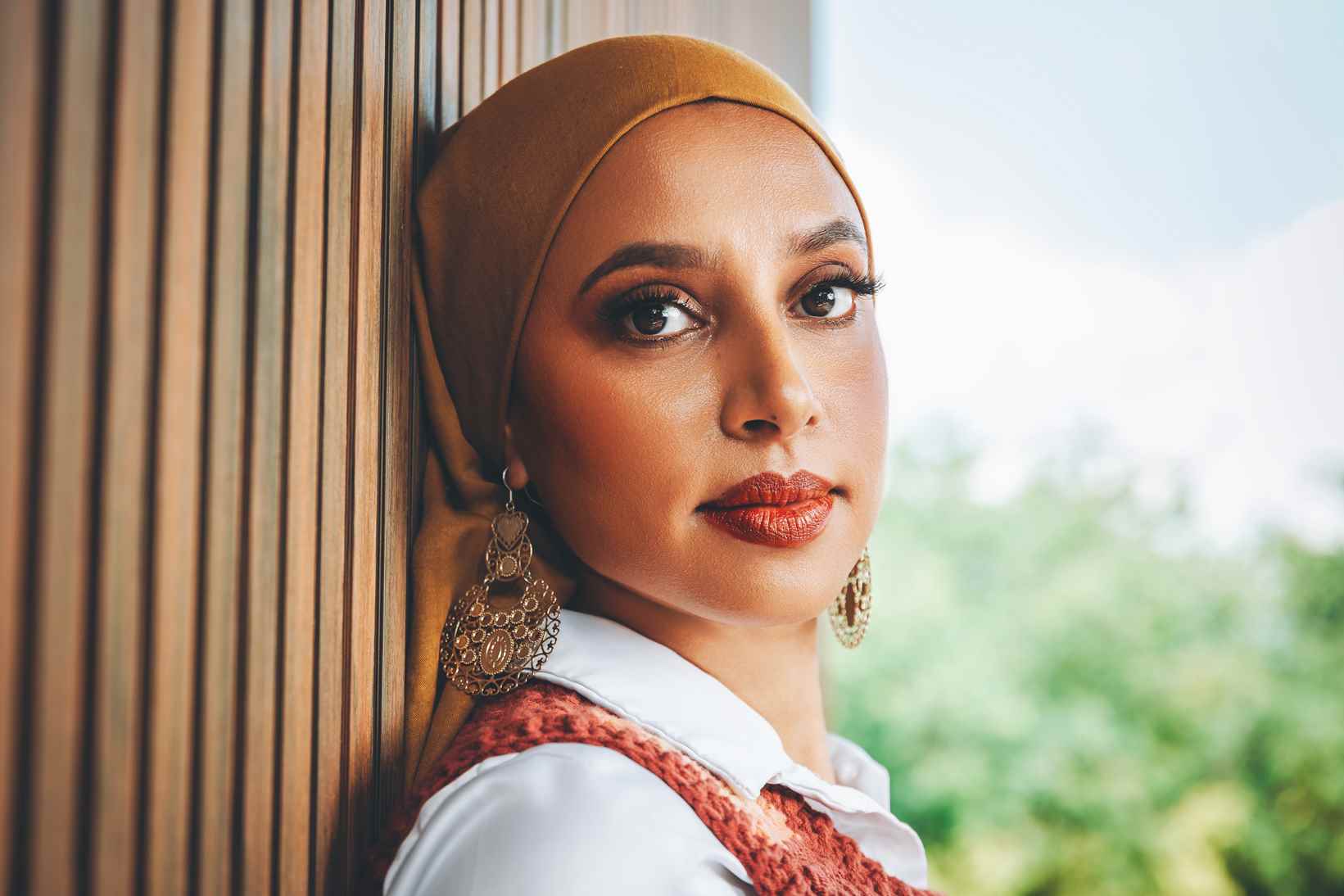
And honestly? That dissolution is wisdom.
Eventually, healing becomes integration, releasing what no longer fits and settling into a steadier sense of self. Community plays a sacred role here. Healing does not happen in isolation. When women regulate their own nervous systems and release shame within themselves, they create safer spaces for others. Community becomes witness to both struggle and triumph.
Perhaps most radical is her reframing of rest. In a culture that glorifies burnout as a personality trait, rest is often mislabelled as laziness. Tasneem repositions it as foundational. Especially within the context of a woman’s menstrual cycle, fatigue is biological, not a character flaw. Productivity is sustained through restoration, not relentless output.
(Despite what hustle culture may have suggested.)
At the core of her own grounding lies faith. Tasneem speaks openly about the role of Allah’s favour and guidance in her journey. Ritual ibaadah, Qur’an, and dua form the structure and peace of her life. She keeps a close eye on her capacity, daily, monthly, yearly – understanding that integrity requires honesty about what she can realistically give.
Tasneem’s message is refreshingly clear: healing is not about becoming someone new, shinier, or more optimized. It is about returning.
Returning to self.
Returning to rhythm.
Returning to the wisdom already embedded within the body.
Returning to divine alignment.
In a world obsessed with improvement, she offers something far more powerful.
Remembrance. And perhaps, a collective sigh of relief.
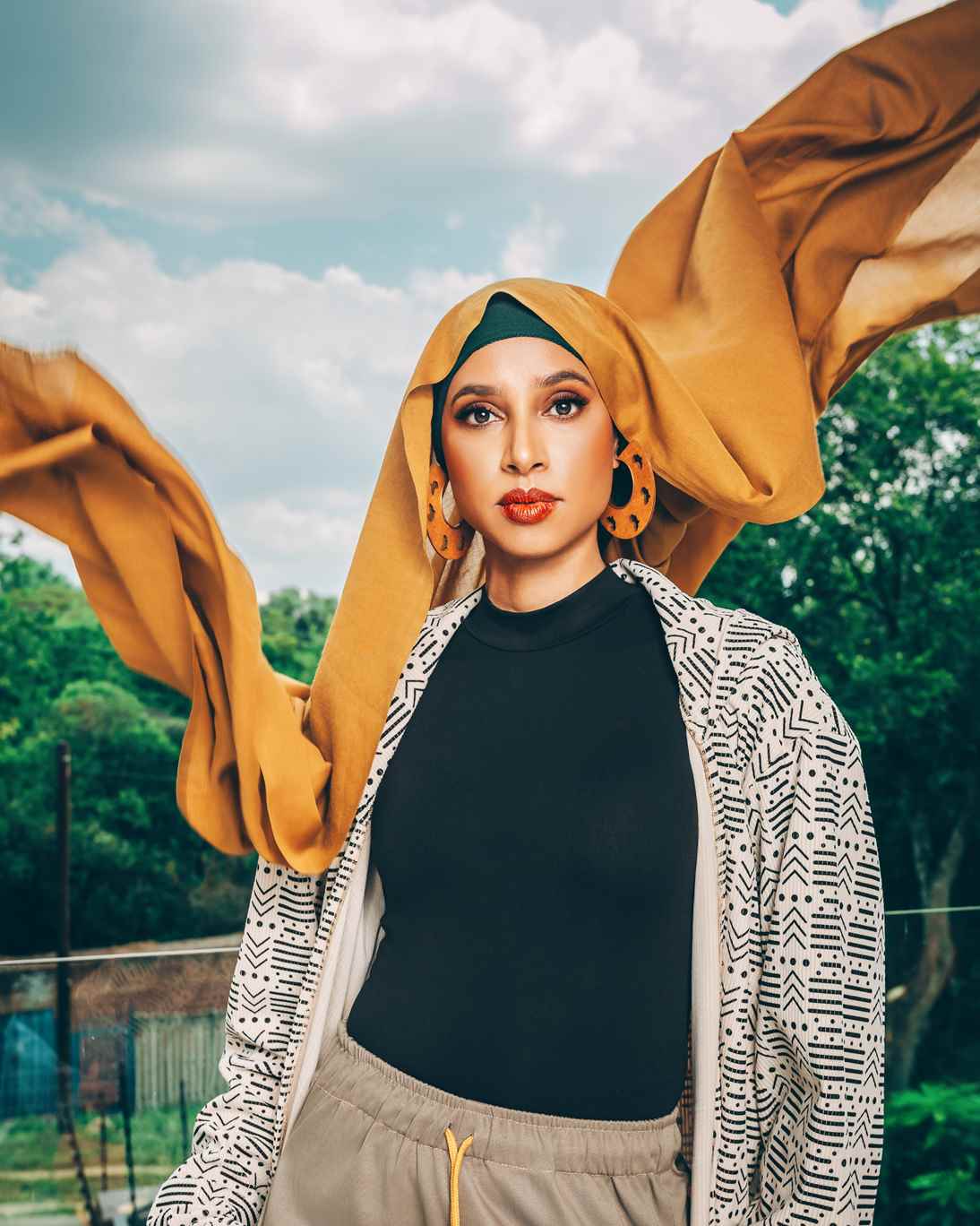
Photography: Francis Ilunga
Makeup Artist : Nj Makeup Artistry
Amaar
Jewels

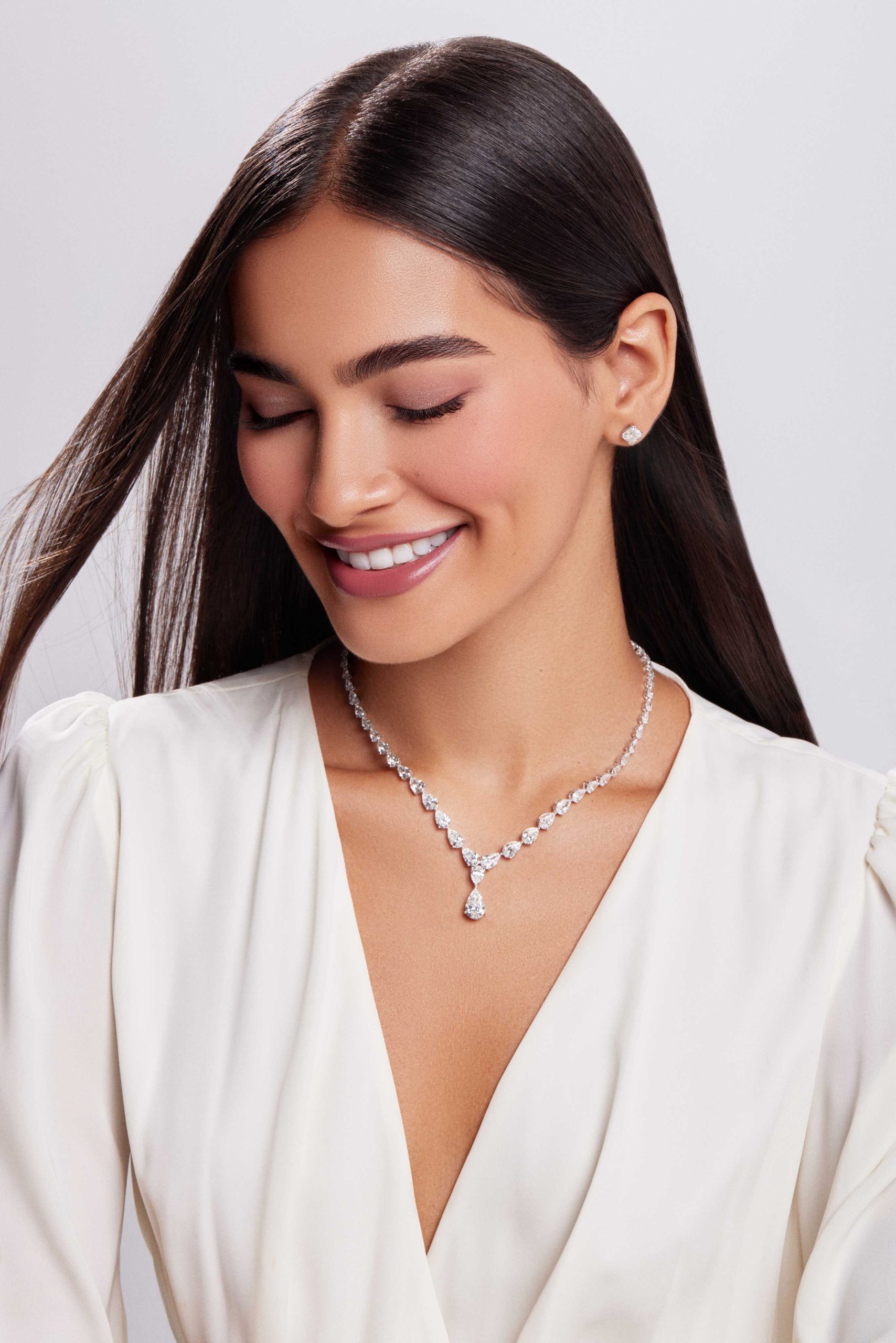
Blending timeless elegance with masterful craftsmanship, Amaar Jewels introduces the Amaar Collection, a refined celebration of life’s most meaningful moments. Crafted in 18k gold and certified by the International Gemological Institute or HRD Antwerp, each piece reflects a commitment to quality, integrity, and enduring beauty. With a lifetime warranty and a conscious approach to luxury, Amaar Jewels proves that exceptional design can honour both sophistication and sustainability.



Why Autumn — Not Spring — Is the Real Season for a Life Reset
By Amiena Ally
For years, we’ve been sold the idea that January is the moment to reinvent ourselves. New year, new goals, new habits, new body, new life. The pressure is loud, shiny, and relentless, and by February, most of it has already fizzled out.
But what if we’ve been resetting at the wrong time altogether?
Autumn, not spring, is the true season for a life reset. It arrives without fanfare or forced optimism, inviting us instead into something far more sustainable: reflection, recalibration, and quiet intention.

The Problem with the New Year Reset
New Year’s resolutions are born in the aftermath of excess – too much food, too much spending, too many expectations. They’re often driven by guilt rather than clarity, urgency rather than wisdom. We demand transformation at the very moment when energy is lowest, days are shortest, and motivation is fragile.
Autumn offers a different rhythm. Nature doesn’t rush here. Trees let go slowly. The light softens. The world exhales. Instead of pushing forward blindly, autumn asks us to look inward and take stock.

Autumn Is Built for Introspection
There’s a reason so many cultures associate autumn with harvest. It’s a season of honest accounting: What grew? What didn’t? What’s worth carrying forward and what needs to be released?
Emotionally, autumn supports this kind of inner work. We’re naturally more inclined to slow down, reflect, and create structure. It’s an ideal moment to reset habits, boundaries, and priorities, not from a place of self-criticism, but from self-awareness.
Rather than dramatic overhauls, autumn encourages thoughtful shifts. Less “New Me,” more “Truer Me.”
A Softer, Smarter Reset
An autumn reset isn’t about chasing perfection. It’s about alignment. Adjusting your routines to suit the season you’re entering, both literally and metaphorically.
And that includes how we care for our bodies.Summer wellness often comes easily: longer days, warmer weather, more movement built into life. The challenge is not losing those habits when the seasons change.
6 Tips to Carry Summer Wellness Habits into Autumn
Maintaining a healthy, active lifestyle in autumn isn’t about forcing summer energy into colder days. It’s about adapting, gently and intentionally.

1. Shift Your Movement, Don’t Stop It
If summer meant outdoor runs, swims, or long walks, autumn might call for something slower but deeper: strength training, Pilates, yoga, or hiking. Let your workouts match the season’s pace while keeping consistency intact.
2. Anchor Your Routine to Time, Not Weather
Instead of deciding IF you’ll exercise based on the temperature, decide when. Morning stretch, lunchtime walk, evening class. Time-based habits are harder to negotiate away than weather-based ones.
3. Keep Eating Colourfully
As salads give way to soups and roasted meals, don’t lose the variety. Autumn produce is rich and grounding – think squash, leafy greens, lentils, carrots, apples. Nourishing food supports immunity and energy as the season shifts.
4. Prioritise Sleep as a Wellness Tool
With shorter days, your body naturally craves more rest. Honour that. Earlier nights and better sleep hygiene are not laziness. They’re foundational to mental clarity, mood regulation, and physical health.

5. Protect Your Mental Space
Autumn introspection can be powerful, but only if it’s intentional. Journaling, therapy check-ins, digital boundaries, or quiet evenings at home can help you process rather than spiral.
6. Redefine “Motivation”
Summer motivation is often external – plans, people, events. Autumn motivation is internal. Focus on how habits make you feel, not how they make you look. Comfort, strength, steadiness, calm, these are autumn’s rewards.

Let Autumn Be Enough…
A life reset doesn’t need fireworks or a countdown clock. Sometimes it just needs honesty, gentleness, and the courage to slow down.
Autumn reminds us that letting go is as important as starting fresh — and that growth doesn’t always look loud or visible. Sometimes, it looks like turning inward, choosing what matters, and preparing quietly for what comes next.
And maybe that’s the reset we’ve been needing all along.
The Art of Resonance:
Weaving a Holistic Tapestry with Autumnal Palette
By Manuela Pirola
In an age where the pursuit of well-being transcends fleeting trends, true luxury lies in intention. While embracing autumn, a new lexicon of color emerges, inviting us beyond surface aesthetics into the profound depths of holistic living. This season, our palettes are not just for adornment; they are meticulously curated for emotional equilibrium, spiritual alignment, and physical serenity.
Gone are the days when color choices were solely dictated by the whims of fashion. Nowadays, we do recognize that every hue carries a vibrational frequency, capable of subtle shifts in our nervous system, mood, and even our physiological responses. This is the essence of color holism: understanding that our visual environment is a direct extension of our internal landscape.
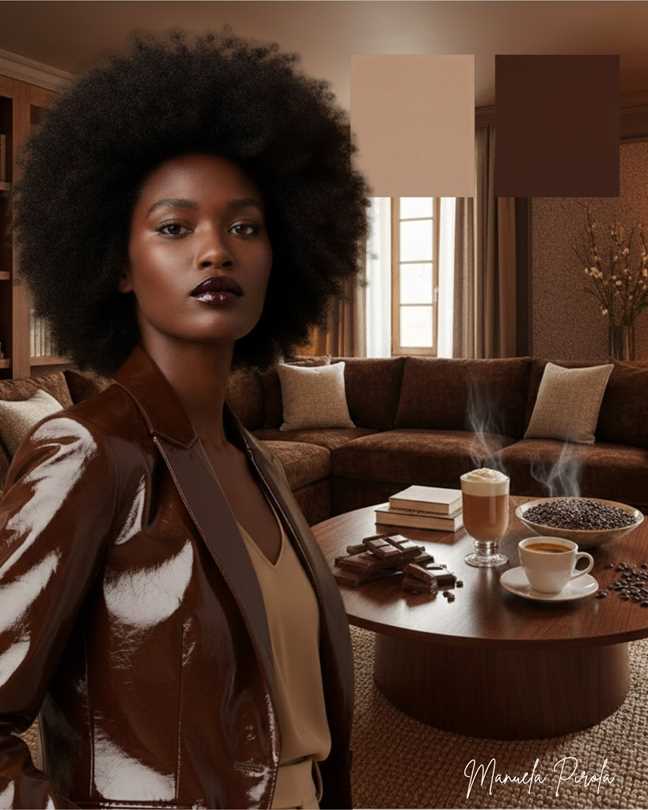
Grounding Our Roots: The Earthbound Embrace of Gourmand Browns
The undeniable protagonist of this autumn is a family of gourmand browns, from the velvety depths of Mocha Mousse to the rich complexities of Espresso and Bitter Chocolate. Far from being mere neutrals, these shades serve as a profound invitation to reconnect with our foundational sense of self. In the frenetic contemporary life. Here, these browns emerge as a visual anchor, speaking directly to the Root Chakra – our energetic center for stability, security, and belonging.
Imagine a living space rendered in these deep, comforting tones: a sumptuous Mocha Mousse wall, perhaps, or an oversized, textured wool sofa in Bitter Chocolate. The psychological effect is immediate and palpable: a subtle recalibration of the nervous system, a deceleration of the mind’s relentless pace.
The Pulsing Heart: Burgundy and the Fire Within
As we venture deeper into the seasonal palette, we encounter the captivating allure of Burgundy and Currant. These are not reds that demand attention; they are reds with a sophisticated depth. In the holistic framework, red is intrinsically linked to Prana, the vital life force that courses through us.
Burgundy speaks to a more mature, sustained vitality, akin to the slow, nourishing rhythm of a healthy heart. They evoke the warmth of deep conversation, the richness of shared meals, and the subtle, unwavering glow of passion that sustains us through cooler months. These colors are known to gently stimulate both appetite and conversation, cultivating an atmosphere of convivial warmth and connection, ideal for being used in dining rooms and living rooms.

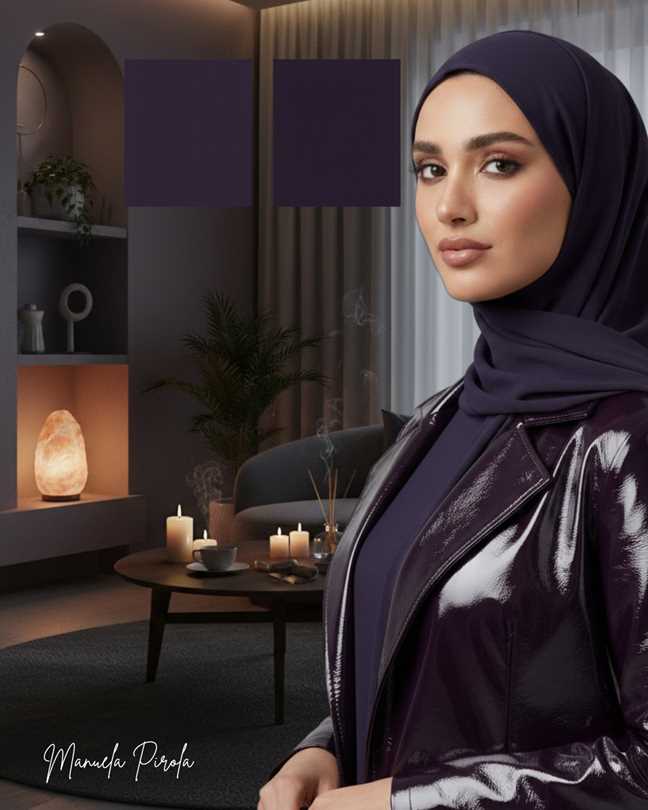
The Inner Cosmos: Future Dusk and the Wisdom Within
Among the most intriguing developments is the emergence of Future Dusk, a smoky, ethereal purple that dances on the edge of blue and violet. This shade resonates deeply with the Third Eye Chakra, the seat of intuition, insight, and higher consciousness.
Future Dusk, with its almost celestial quality, creates an environment conducive to introspection and spiritual exploration. The deep purple fosters moments of profound clarity and allows space for dreaming.
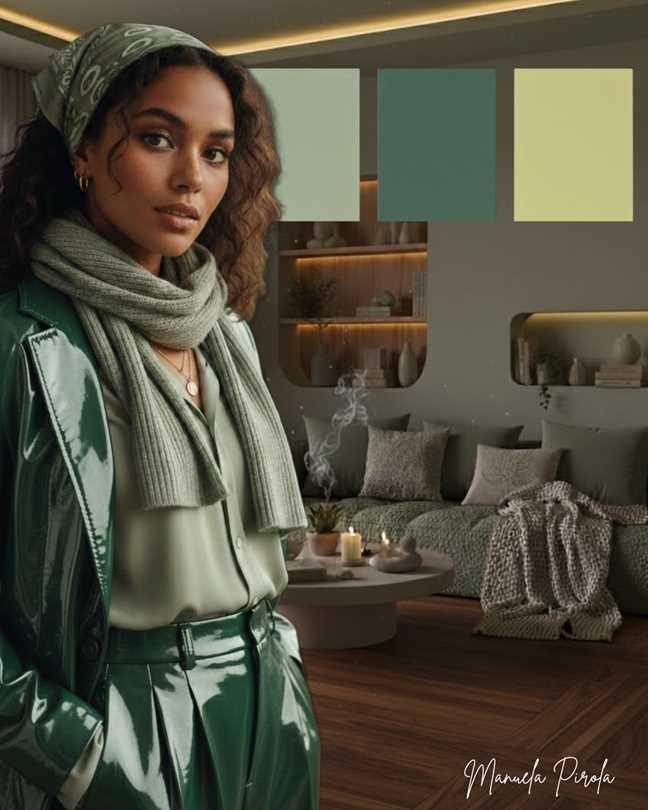
Renewing Our Spirit: Lemon Grass, Soft Greens and the Breath of Life
Finally, the inclusion of Lemon Grass and other soft, muted greens offers a vital counterpoint to the season’s deeper tones. Often associated with the Heart Chakra, green is universally recognized as the color of balance, growth, and healing. While autumn often signals dormancy, these gentle greens carry the promise of enduring vitality, a subtle reminder of nature’s regenerative power. These greens bridge the gap between interior and exterior worlds. They activate our innate connection to nature. Introducing Lemon Grass through cushions, or perhaps a carefully chosen piece of ceramic art, serves to purify the energetic atmosphere of a space. It’s a visual breath of fresh air, reducing mental fatigue and promoting a sense of calm resilience. In a holistic context, these greens are not just decorative; they are totally restorative and accompany our spirits towards renewal.

When Grief Meets Tawakkul
By Ridwana Jooma
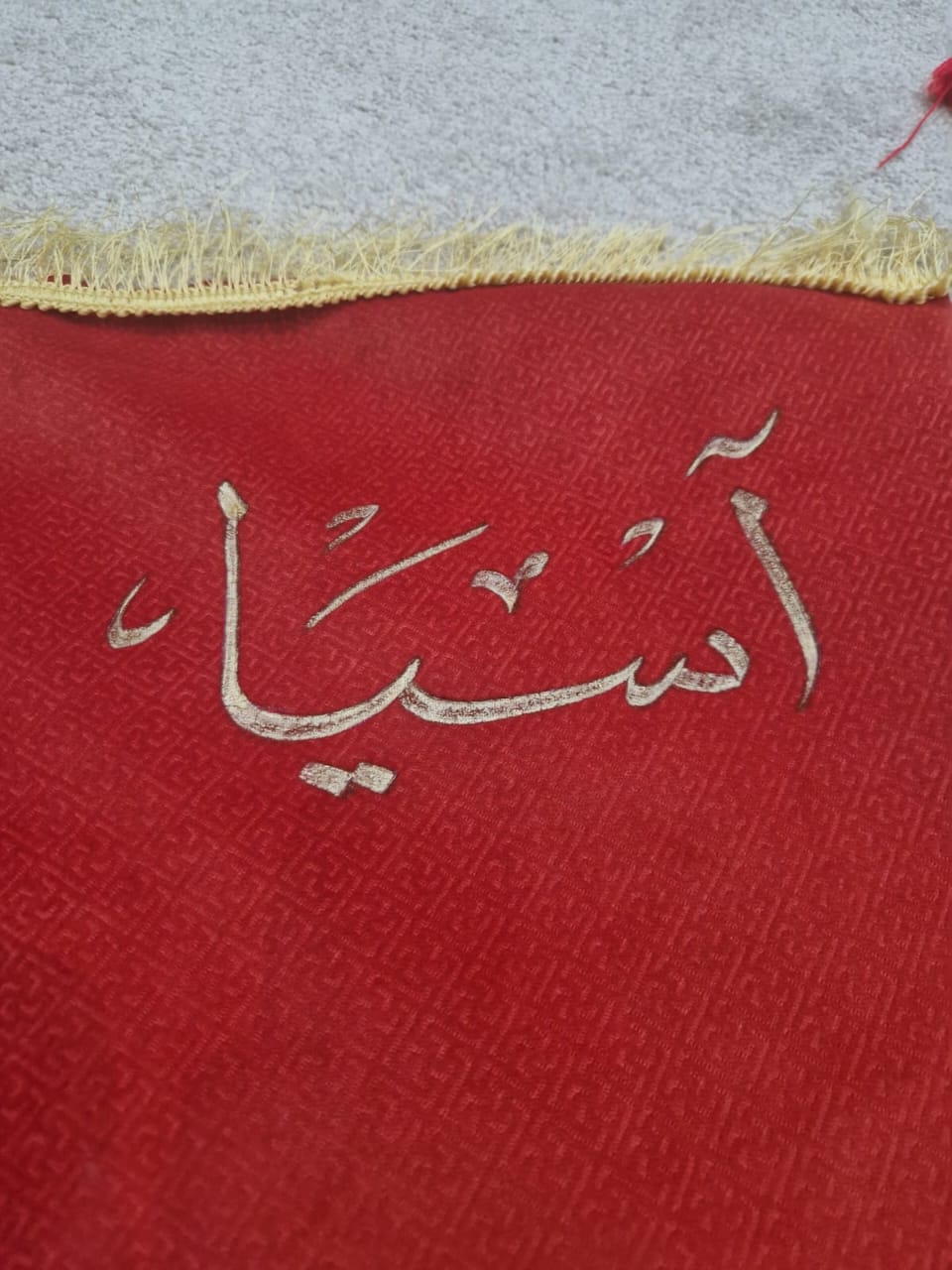
On the 9th of Sha’baan (28 January), after an eight-year journey with cancer, my sister, my AasiaBhen, returned to her Rabb.
She was not just my favourite sister. She was my friend, my confidant, my safe place. She was my laughter at the end of a long day, the voice note that steadied my heart. She knew the rhythm of my soul without me ever needing to explain it.
This past year, I spent much of my time by her side. When she made the courageous decision to surrender her illness completely to Allah and stop chemotherapy, I witnessed a different kind of strength. I watched her body change. I held her through discomfort. I honoured her choice with compassion. Through it all, she reflected strength to me. She was deeply proud of my return to Islam. In her most fragile state, she would look at me with softness and say how beautiful it was to see me come back to Allah. Even as her body weakened, her spirit fortified mine.
Being there for her gave my days direction. Every massage, every du‘a, every carefully administered dose of morphine carried meaning. Love had somewhere to go. Service had a face. When she returned to her Rabb, that purpose felt as though it dissolved into air. I miss her in ways that feel both ordinary and overwhelming. I miss her voice. Her scent. The way she looked at me. I miss how she mothered all of us, even while in pain. Grief, I am learning, is not simply sadness; it is the echo of love in a space.
Navigating grief alongside tawakkul has been tender and complex. Islam teaches us that this dunya is temporary, that death is a return rather than an end. I know, with conviction, that she is in a better place, free from pain, held in Divine mercy, reunited with her son Imtiaz and our father. Allah is more merciful to her than I could ever be.
And yet, my heart aches. Every single day.

“Tawakkul has not erased my grief. It has held it.”
3 Lessons Grief Taught Me About Tawakkul
1. Trust Does Not Cancel Tears
Faith in Allah’s decree does not mean suppressing emotion. Even the Prophet ﷺ wept in loss. Tears can be sacred; they are love made visible.
2. Acceptance Is a Softening, Not a Hardening
True acceptance is not about becoming numb. It is about allowing the heart to feel fully while trusting that Allah’s wisdom surrounds what we cannot understand.
3. Service Transforms Sorrow
When purpose feels lost, redirect love. Make du‘a. Give charity. Speak their name with gratitude. Continue the good they embodied. In doing so, grief becomes movement rather than stagnation.


Elisabetta Franchi Presents the ‘Luna d’Oro’ Capsule


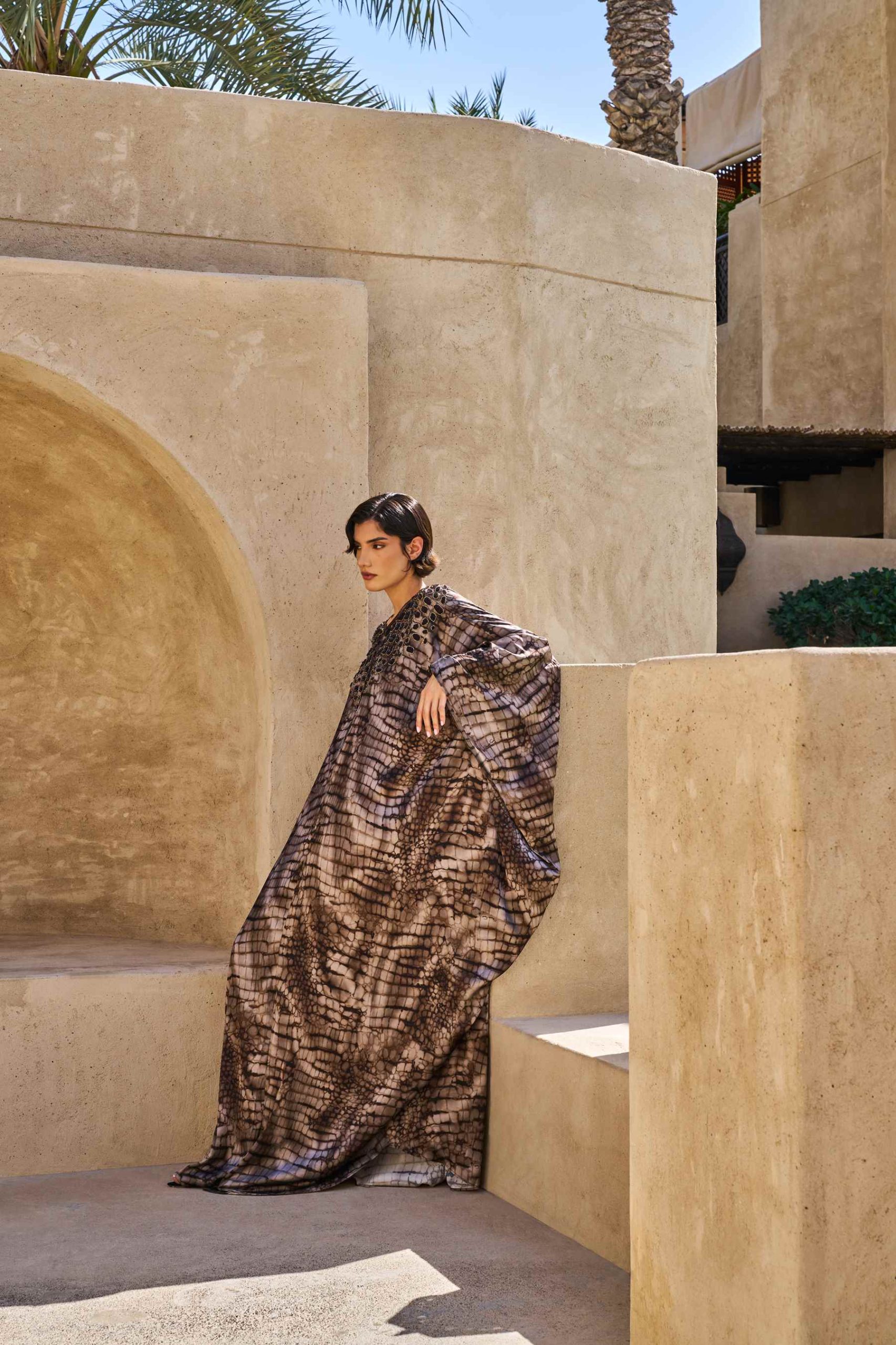
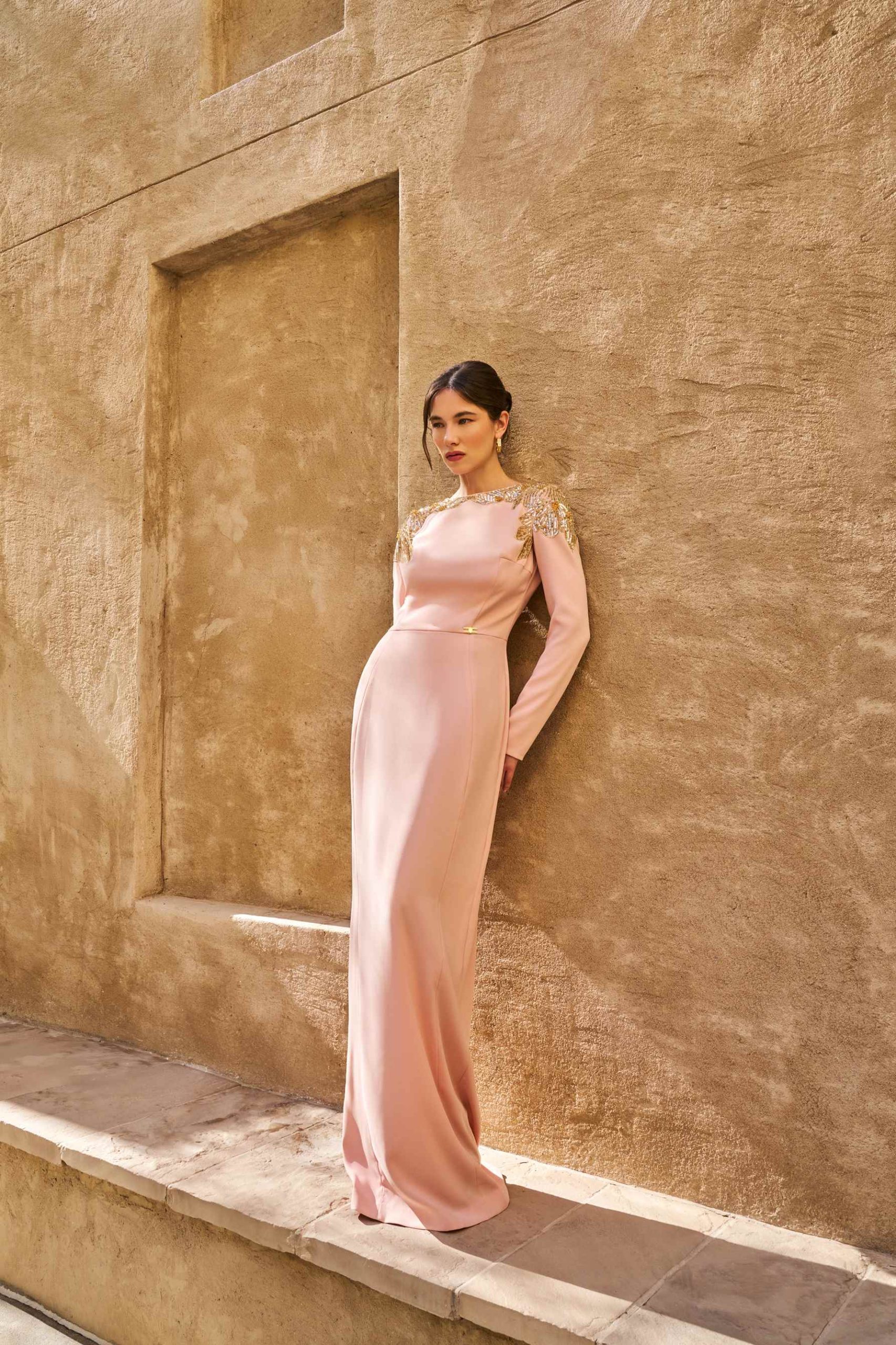
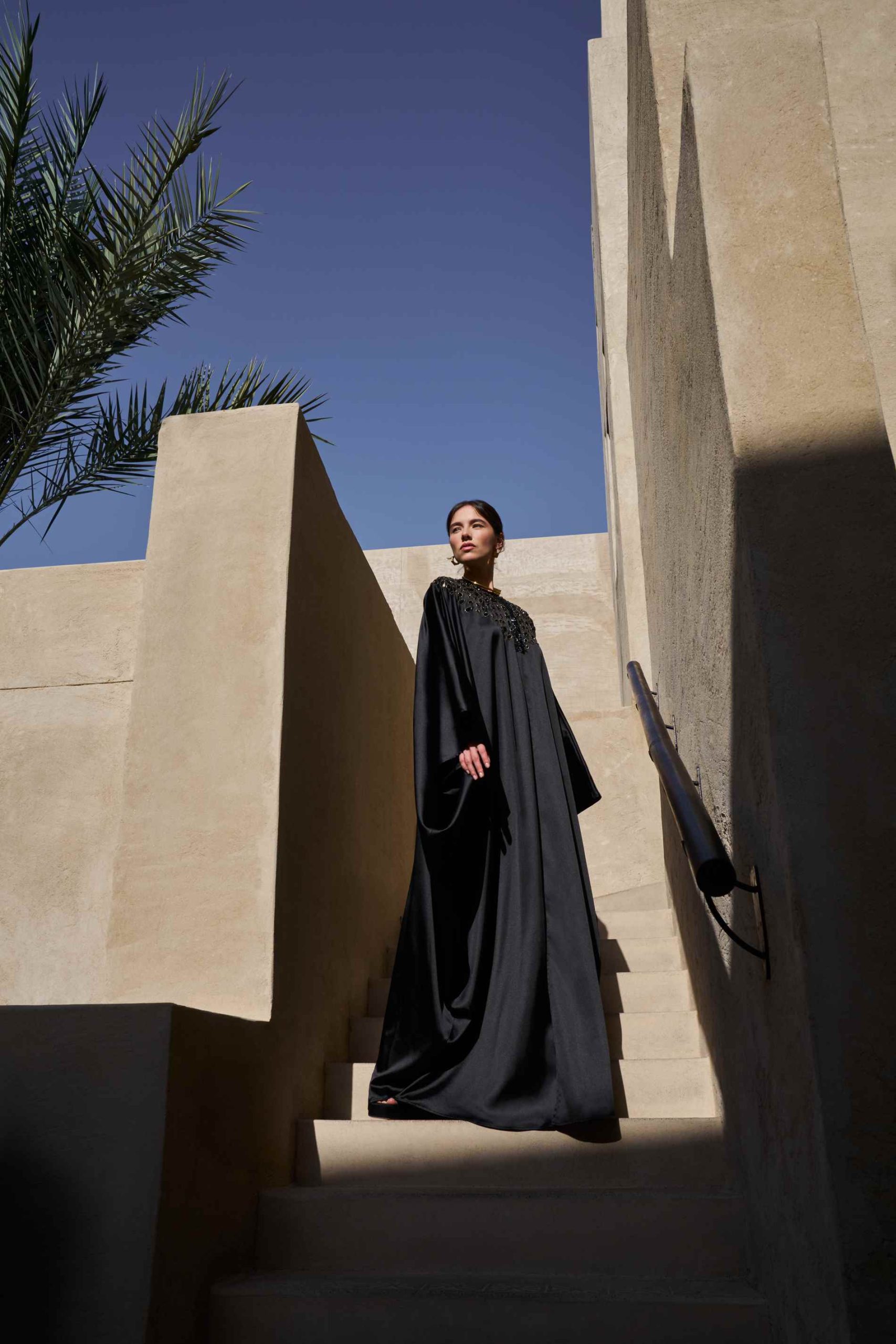
On the occasion of Ramadan, Elisabetta Franchi unveils Luna d’Oro , an exclusive capsule collection that captures the Maison’s enduring vision of refined femininity and modern elegance. Designed for evenings of gathering, reflection, and celebration, the collection honours the spirit of the holy month with silhouettes that are both graceful and intentional.
A luminous colour story unfolds in tones of butter, soft nude, sun-kissed gold, and deep black, a palette that mirrors the quiet glow of Ramadan nights. Luxurious fabrics, including crêpe de Chine, satin, georgette, and chiffon, are selected for their lightness and fluid movement, creating pieces that feel effortless yet elevated.
Flowing kaftans, refined abayas, coordinated sets, and statement evening dresses are shaped through soft, enveloping lines. Exquisite embroidery, jewel-like accents, delicate natural prints, and artful draping speak to the brand’s signature craftsmanship and meticulous attention to detail.
With Luna d’Oro, elegance meets comfort in a collection designed to accompany women through meaningful moments – where style is expressed with modesty, confidence, and quiet radiance.


Cybercrime.
Understanding The Pervasive
Threat and
Essential Defence Mechanisms
By Mariam E Teladia
The digital age, while offering unprecedented connectivity and economic opportunity, has simultaneously ushered in an era of pervasive cyber insecurity. Daily reports confirm a disturbing trend.
An increasing number of individuals are falling victim to sophisticated cyberattacks, resulting in the devastating loss of both hard-earned wealth and critical personal information.

Cybercrime represents one of the most significant and rapidlyevolving threats to modern society, impacting individuals, corporations, and national security on a global scale. Defined broadly as any criminal activity that involves computers, networks, or networked devices, cybercrime ranges from opportunistic identity theft to sophisticated state sponsored espionage.
Attackers manipulate individuals into divulging sensitive information, such as login credentials, often
through deceptive emails or websites. These attacks exploit human fallibility rather than technical vulnerabilities. Data breaches represent another critical concern, where unauthorized access leads to the exfiltration of vast quantities of personally identifiable information.Insider threats, whether malicious or negligent, also contribute significantly to organizational vulnerability.

For individuals, protection against cybercrime centers on vigilance and basic digital hygiene. The most crucial step involves creating strong, unique passwords for every account, ideally managed through a reputable password manager. Implementing multi factor authentication wherever possible creates a powerful barrier against credential theft, rendering stolen passwords largely useless to the attacker. Regular software updates are essential, as patches often fix known security flaws that cybercriminals actively exploit. Users must also cultivate a healthy skepticism toward unsolicited communications; never click on suspicious links or download attachments from unknown senders. Backing up critical personal data offline or to secure cloud storage provides a crucial line of defense against data loss from ransomware or hardware failure.

For businesses, it requires holistic security governance, layered defenses, regular auditing, and an unwavering commitment to employee education. In an increasingly interconnected world, security is not a destination but an ongoing process of assessment, adaptation, and resilience building. In this digital age, where economic activity and personal communication are overwhelmingly reliant on interconnected systems, understanding the nature of these threats and implementing robust defense mechanisms is no longer optional but a fundamental prerequisite for survival and success. By implementation and adaptation to the above strategies individuals can ensure the safety of yourselves as well as your business.
Disclaimer:
The content of this publication is provided for general information purposes only and do not constitute legal or other professional advice. While every effort is made to update the information regularly and to offer the most current, correct and accurate information, we accept no liability or responsibility whatsoever if any information is, for whatever reason, incorrect, inaccurate or dated. We accept no responsibility for any loss or damage, whether direct, indirect or consequential, which may arise from access to or reliance on the information contained herein.

Zahra
meets
Modesty
‘I was never really into fashion’ are the words Zahra used to describe her fashion journey at the age of 28. She felt like time did not allow her to really put much thought into what she wore. She sourced her inspiration from Pinterest, and coupled with her expensive taste, didn’t really make day-to-day fashion seem achievable. Modest fashion was nowhere on Zahra’s Pinterest boards, nor in her closet. It wasn’t a thought that lit her fashion brain as a young lady, stepping into the big, bright world.


Zahra sought a career as a chef and dressed the part, in a chef’s uniform and hat, for most of her days. She went from chef to slumber as the hours she worked were encompassing. And then she had a career switch, which resulted in her looking into her closet with a new vision: ‘What can I wear that looks professional and MODEST?’ Her short-lived real estate journey awoke a new version of her fashion perspective.
Plot twist. And isn’t there always one of these?
She fell in love. The man who consumed her thoughts and dreams now consumed her wardrobe with scrutinising eyes. He came from modesty, a man of faith, and a firm believer in Zahra changing the way she dressed to adhere to religious norms. She had eyes glaring and heads turning as she waltzed into family gatherings now adorned in black abayas and tightly draped hijabs. Well, hello Hijabi Barbie!
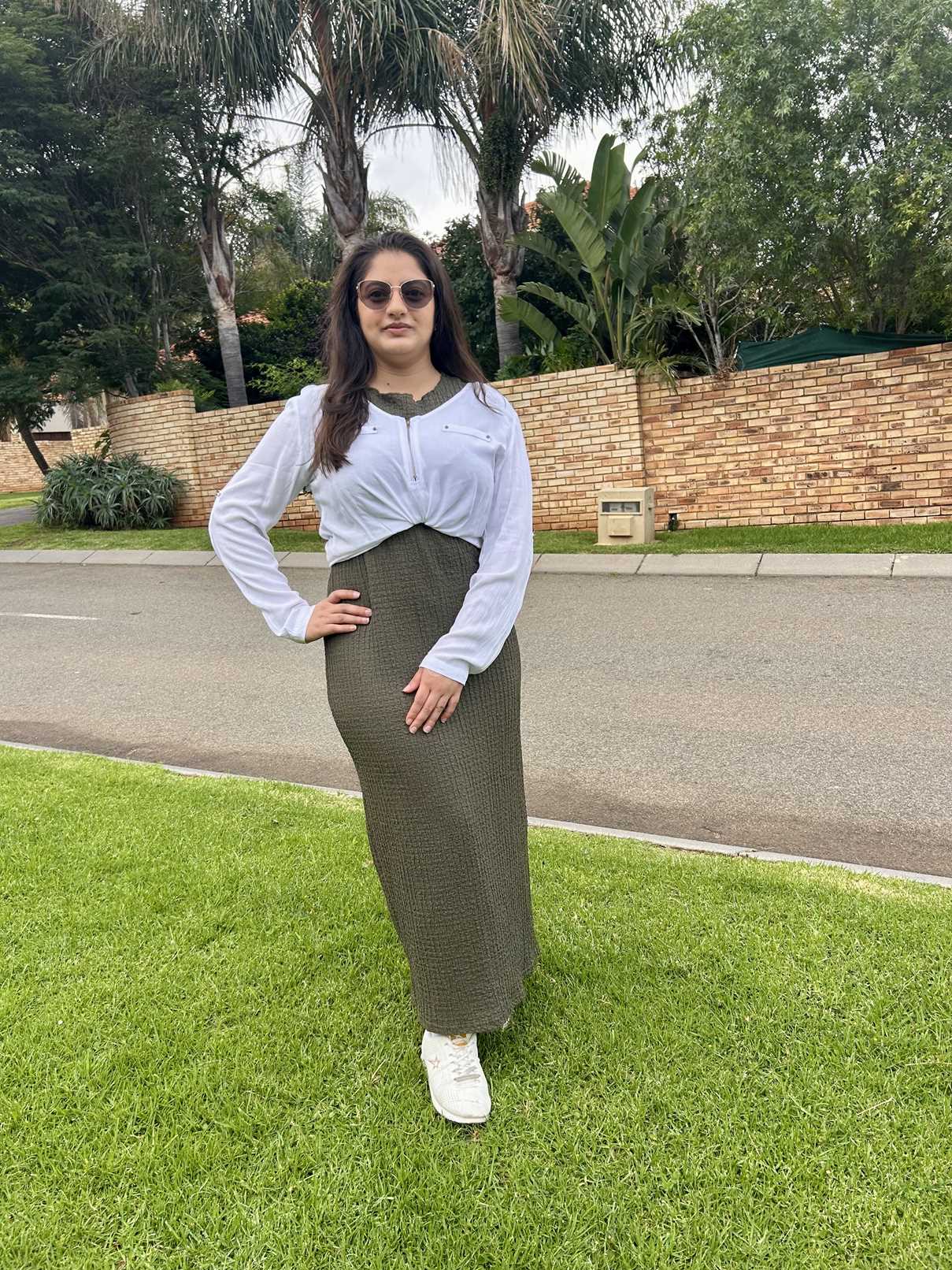

After marriage, she lived with a new family who always dressed modestly, practised religion vigorously and expected the same from the newest addition to the family. Zahra went from carefree fashion to a hijabi bride and then a simply confused modest wife. She battled weight gain, not owning enough modest clothing and salvaging hand-me-downs from modest ladies trying to support her on her journey. She was a modest fashion malfunction.


As the sunshine lit her room with a dull sparkle, she felt the spark within herself burst to life as she yanked her closet doors open and started clearing piles of clothing for donation. The now-divorced Zahra was at war with modesty and everything that came with it. But she grappled with discomfort as all her younger self’s clothing stretched and clung to her new body. Fashion seemed like an unattainable goal now.
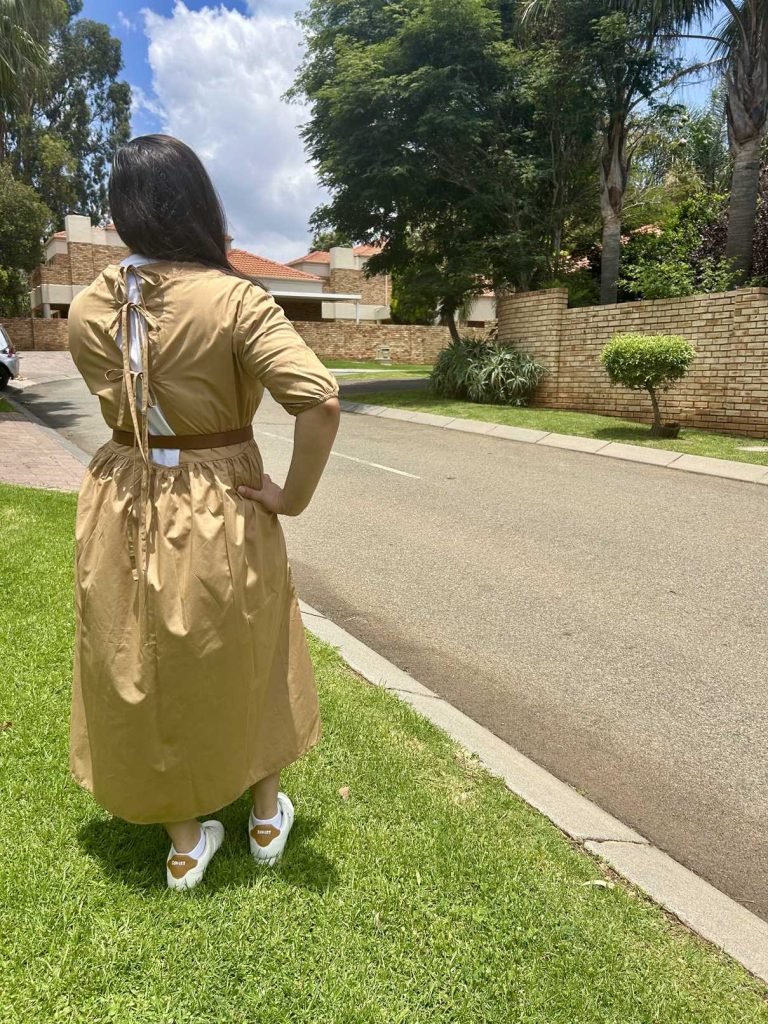
As the dust began to settle and life started to take new shape again, she saw herself reimagining what her closet could look like to reflect her truth. The truth being that Zahra still has a love-hate relationship with modesty, some days are better than others. She wants to embark on her journey, finding the truth of her religion and the immense beauty in it. She would like to inch her way into comfort in modesty and adapt it to her career as a chef. And this is where we unlock Zahra’s Modesty era, this is another beautiful beginning…


Written by: Nazeefa Bhamjee (@nazeefa.bhamjee)
Trends
vs
Divine
Prescription
By Soraya Schroeder
Healing has become a trend.
A mood board. A routine. A checklist of rituals we hope will finally make life feel lighter.
We want someone to tell us: Do this. Take that. Read this book. Repeat these words.
And everything will be fixed.
Because certainty feels safe.
Control feels comforting.
And the nafs loves the idea of a shortcut.

But healing was never meant to be outsourced. Surah Al-‘Ankabut (29:2-3): “Do people think that they will be left alone because they say, ‘We believe,’ and will not be tested? And We indeed tested those who were before them”.
It is designed to stretch us, humble us, and remind us that permanence does not live here.

Only Allah is Al-Kareem.
The Most Generous.
The One who gives without depletion, without manipulation, without conditions.
And He does not only give in the Aakhirah.
He gives here too.
Abundance. Relief. Openings. Sakina. A provision that makes no logical sense.
But sometimes the delay is not punishment.
Sometimes the delay is preparation.
Because not every version of us can hold what we’re asking for.
There is a version of you who receives her du’as with full shukr; without fear, without self-sabotage, without guilt. And there is a version of you who can function at a higher healed level, where peace is not fragile and calm is not circumstantial.
Growth is not just softness. It is a responsibility.
That is why the Deen is not just comforting; it is grounding.
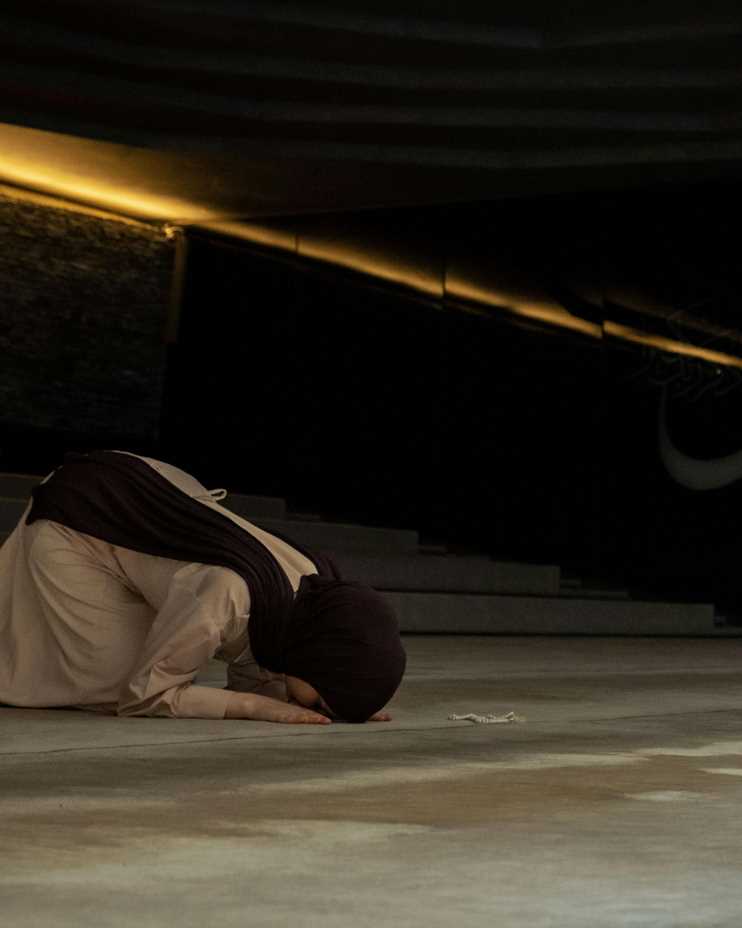
We speak of grounding today as walking barefoot on grass, touching the earth, and regulating the nervous system. But the most powerful grounding Allah gave us is sujood.
Forehead to the ground. Ego lowered. Heart aligned. Nervous system reminded: You are held.
We love affirmations because they make us feel in control, but du‘a teaches us surrender.
Affirmations speak to the self, while dua speaks to the One who controls the self.
Meditation asks you to empty. Muraqabah teaches you to become aware of Allah watching you with mercy, not just judgment.
Energy work seeks balance while thikr creates it.
Shadow work asks you to face your darkness alone. Fasting humbles the nafs, exposes the shadows, and trains the soul to obey even when uncomfortable, while Allah carries you through it.
And yes, Shaytaan will whisper, the nafs will resist. That is not a sign you’re failing.
That is the design.
Which is why healing in Islam was never meant to be a one-time breakthrough; it is a continuous return. A daily grounding.A constant recalibration.A remembering of who sustains you when you forget yourself. Imam Ghazali r.a. wrote in his book Ihya Ulum al-Din: “The source of every disobedience is hope in the self, and the source of every obedience is despair in the self and hope in Allah.”
The softest girl is not the one floating through life untouched.
She is the one rooted deeply enough to bend without breaking.
And the truest prescription was never a trend. It was always Allah.
Marella
launch of the
SS26 capsule

Italian fashion house Marella marked its first dedicated brand moment in the GCC with the launch of the SS26 capsule, Selected by Deema Al Asadi. Hosted at an exclusive sunset aperitivo overlooking Dubai’s skyline, the collection blends Italian sophistication with the grace and confidence of the Middle Eastern woman. Inspired by light and nature, fluid silhouettes and luminous tones reflect a femininity that balances modesty with modern elegance. Founded in 1971 and part of the Max Mara Group, Marella continues to champion timeless, contemporary style for confident women



Aishah
Limpho
Letlala
2026
Stepping into 2026 like the boss lady she is, Aishah Limpho Letlala has begun the year with intention, impact, and undeniable momentum. From owning the public speaking space with confidence and authority to mentoring a new generation of bold, dynamic entrepreneurs, she continues to turn lived experience into powerful leadership.
Now adding “published author” to her growing list of achievements, Aishah is not just building her brand; she’s building a legacy. Her voice inspires rooms, shapes mindsets, and empowers young visionaries to move with clarity and courage.
2026 is not just another year; it’s her statement season.
Follow Aishah @limpho_letlala on Instagram to keep up with her journey.
For emcee bookings or speaking engagements, email Yesmien@coveredofficial.com


inner Autumn
PMS.
Moody.
On the brink of tears and emotional breakdown.
By Tasneem Ahmed Basha – MindFirst
You hate your life; nothing fits, and your husband has the most annoying manner of breathing.
Welcome to your luteal phase. And she doesn’t have the best PR team. In fact, we know so little that it’s debatable whether she has one at all.
We’ve become so used to referring to the week before our period as “PMS” that most don’t know it’s called the luteal phase. We chalk it down to ‘I’m just hormonal, I just need to push through’ while a massive chemical shift is happening in our bodies. And so, the cycle continues; we push through, pretend we don’t bleed, feel full of life once our period is over, we take on the world, and then find ourselves seemingly sabotaged a couple of weeks later again.
We’ve all heard the labels and tried to unsuccessfully avoid the hormonal rollercoaster by dismissing & suppressing, but what if we leaned in?
What if we considered that the fluctuation has a purpose, has a lot more to it than meets the eye?
Let’s relate the luteal stage to autumn, a time when things naturally fall back, a time of transition & preparation to nurture the inner world.
Here, at this point, is where we are meant to exercise discernment. Instead of seeing ourselves as irritable because our period is coming up, we could choose to see that the things which exasperate us during this time are asking to be let go or asking us to approach them in a new way that sustains growth. Perception and intuition abound but it’s unfortunately been branded as a week of emotional instability.
Your womb, and indeed your whole body, is preparing to shed what did not get fertilized during ovulation, the things that didn’t take to life for various reasons. This requires a whole lot of energy; you feel physically tired, mentally foggy, and emotionally sensitive. We are meant to draw inward, to ease up on expectations of ourselves, yet instead we see ourselves as flaky or ill-disciplined. Note well; this is not the time to launch yourself gung-ho into new projects, now is not when you become a drill sergeant with your to-do list or forge ahead irrespective of how drained you are – that’s how we cause damage to our cycles & bodies.
In fact, so impactful are the change in our hormones that many women notice a marked difference in their facial features in luteal compared to ovulation.
But it’s not just physical and hormonal. It’s perceptual too. What we are quick to name as collapse is actually narrowing; the heightened sensitivity and deeper emotional responses are a gateway to intuition. The luteal phase doesn’t suddenly make us psychic; it does, however, make it harder to suppress what we already know. We have a reduced ability to pretend, and that is as it should be if we are to bring forth truth and meaningful living. Feel into your body’s physical response to things, to somatic cues to rest, to draw in and let fall what can no longer be sustained.
This is the correct allotment of life energy.
If we take a lesson from the earth during autumn, we’ll see that now is where time starts to feel slower, creating a bridge from the lushness of summer (ovulation) to the seclusion of winter (menstruation). The earth, experiencing her axis tilt, reassesses what she is able to produce and, in her gentle and wise withdrawal, causes us to marvel at all the beauty she displays. It would not be counterintuitive for you to also slow down and consider changes that support who you want to be.
Through time, Autumn is also when people would harvest crops and preserve what could sustain them through the winter, so too the luteal phase is when a woman gathers what is worth carrying forward and begins withdrawing energy from what isn’t.
What do you need to transition from and to?
Where is there a need for you to pull back on what you give?
Can you value yourself beyond what you offer the world?
These are just some inquiries that can be found in our luteal phase, and I do look forward to the upcoming workshop, Seasons Of Her (happening at the end of March), where we’ll be working with questions like these and other wisdoms from the womb.
Autumn and our luteal phase both ask us to notice and embrace change so that we can step into renewal. As the proverb goes, “sunshine all the time makes a desert.” Gentle balance is necessary for us to experience the fullness of life and the fullness of who we are – feminine energy is cyclical. She moves and thrives in patterns and waves, and each stage of that should be respected. It is much easier to move with a wave instead of against it.
*Disclaimer: this article is not intended as medical advice. Please consult your healthcare provider.
Contact Us
Fashion Foresight FZ LLC
HaiD3, Dubai
+971 56 6408959
HEAD OFFICE
Covered Magazine
10 Cinderella Street, Florida
Johannesburg
2092
South Africa
Tel: +27 82 448 8651
Fax: +27 11 837 9808
Business Hours
Monday – Friday 08:00am To 17:00pm
Saturday 08:00am To 13:00pm